
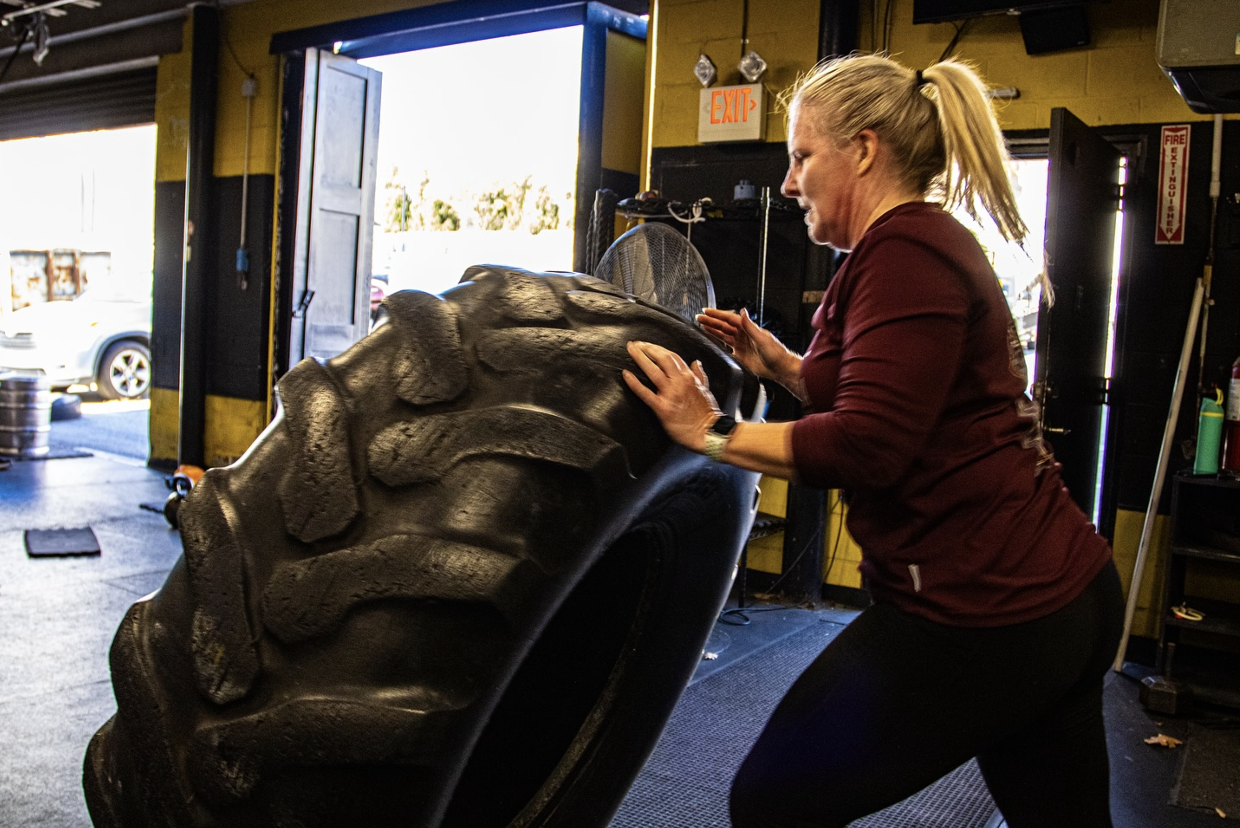
Functional training has become a buzzword in fitness circles—and for good reason. It’s not just about lifting weights or running endless miles; it’s about enhancing your ability to move well in everyday life. Whether you’re carrying groceries, playing with your kids, or simply walking up the stairs, functional training makes these activities easier and safer.
But let’s face it: starting anything new can feel overwhelming. What exercises should you do? How often? Will you see results quickly? If these questions resonate, don’t worry—you’re not alone. In this guide, we’ll break down everything you need to know to confidently begin your functional training journey and build lasting momentum.
What Is Functional Training?
Functional training focuses on exercises that mimic real-life movements, strengthening multiple muscle groups simultaneously. Unlike isolated exercises (think bicep curls), functional workouts emphasize coordination, balance, and overall strength, making you more resilient and efficient in daily activities.
Key Benefits of Functional Training:
- Improved Strength and Stability: Functional exercises engage your core and stabilizing muscles, reducing the risk of injury.
- Better Posture and Mobility: They encourage proper movement patterns, enhancing flexibility and balance.
- Real-Life Application: The movements translate directly to daily tasks, from lifting heavy objects to maintaining balance on uneven terrain.
Why Should Beginners Embrace Functional Training?
The beauty of functional training lies in its accessibility. You don’t need fancy equipment or an elite level of fitness to get started. Beginners often see noticeable improvements in a short time because these exercises focus on fundamental movements your body is already familiar with.
Common Myths About Functional Training:
- “It’s only for athletes.” Not true! Functional training is for everyone, regardless of age or fitness level.
- “I need expensive gym equipment.” Many functional exercises use just your bodyweight.
- “It’s too complicated.” Start simple—progress will come naturally.
Getting Started: Building Your Foundation
Starting functional training might seem overwhelming, but it doesn’t have to be. Think of it as mastering the basics—movements you already do every day, but with purpose and precision. Building a strong foundation ensures long-term success and reduces the risk of injury. Here’s how to get started:
1. Master Basic Movements
Before diving into advanced exercises, focus on these foundational moves:
- Squats: Great for building lower-body strength and improving posture.
- Push-ups: Strengthen your chest, shoulders, and core while simulating pushing motions.
- Lunges: Improve balance and target your glutes, quads, and hamstrings.
- Planks: Build core stability that supports almost every movement you make.
Pro Tip:
- Start with bodyweight versions of these exercises to focus on proper form.
- Once you feel confident, add resistance using dumbbells, kettlebells, or resistance bands for an extra challenge.
2. Focus on Form
Good form is non-negotiable. Proper technique not only ensures you’re working the right muscles but also helps prevent injuries. For example:
- Keep your back straight during squats and lunges.
- Avoid sagging hips during planks.
- Perform push-ups with a straight line from your head to your heels.
3. Build Gradually
Rome wasn’t built in a day, and neither is a strong foundation. Start with 2-3 sets of 8-10 reps per exercise, and gradually increase intensity as your strength improves. Focus on consistency over intensity in the early stages to avoid burnout.
By breaking things down into simple, manageable steps, you can ease into functional training without feeling overwhelmed. Each movement builds your confidence and sets you up for success as you progress to more advanced exercises.
Addressing Common Concerns in Functional Training
Even with the best intentions, doubts can creep in. It’s completely normal to feel unsure or face challenges when starting functional training. Let’s tackle some of the most common concerns and provide actionable solutions to keep you on track.
“I Don’t Know If I’m Doing It Right”
Form is everything in functional training. Performing exercises with poor technique not only reduces their effectiveness but can also lead to injuries. If you’re unsure about your form, don’t worry—there are plenty of ways to get guidance and build confidence:
- Watch Trusted Instructional Videos: Platforms like YouTube are filled with tutorials from certified fitness professionals. Channels like Fitness Blender or Athlean-X provide clear, step-by-step instructions for proper form.
- Join a Functional Training Class: Many gyms offer group classes specifically focused on functional fitness. These sessions are guided by experienced trainers who can correct your form in real time.
- Invest in Professional Guidance: A session with a certified personal trainer can provide personalized feedback. Even one or two sessions can set you up with the skills and confidence to continue on your own.
“I Don’t Have Time to Work Out”
Busy schedules are a reality for most of us, but functional training’s efficiency makes it a game-changer. Because it targets multiple muscle groups simultaneously, even a short session can deliver great results.
- Opt for Short Sessions: A 20-minute workout can be just as effective as longer routines. Break it into two 10-minute chunks if needed—perhaps one in the morning and one in the evening.
- Prioritize Compound Movements: Exercises like squats, push-ups, and planks give you more bang for your buck, activating several muscles at once and maximizing your time.
- Make It a Habit: Incorporate your workouts into daily routines, like exercising while waiting for coffee to brew or during a lunch break.
“I’m Not Seeing Results”
It’s frustrating to put in the effort and not see immediate changes, but remember—results take time. Progress in functional training isn’t just about visible changes; it’s also about how you feel and what you can do.
- Track Your Progress:
- Take weekly photos or measurements to notice subtle changes.
- Use a workout log to record sets, reps, and weights—small improvements add up over time.
- Celebrate Small Wins: Progress isn’t just about weight loss or muscle definition. Reaching a new personal best, completing an extra rep, or feeling more energetic are victories worth celebrating.
- Stay Consistent: Stick to your routine, even when results seem slow. Consistency is the foundation of success.
By addressing these common concerns, you’ll be better prepared to navigate the challenges of functional training and stay motivated on your fitness journey. Remember, every step you take brings you closer to your goals. Keep pushing forward!
Tools to Enhance Your Functional Training Journey
While bodyweight exercises are an excellent starting point, incorporating tools can add variety and intensity to your workouts. These tools not only challenge your body in new ways but also keep your sessions engaging and effective:
- Resistance Bands: Affordable, portable, and versatile, resistance bands are perfect for adding resistance without the need for heavy equipment. Use them for glute bridges, lateral band walks, or assisted pull-ups. Check out resistance bands on Amazon to find a set that works for your fitness level.
- Kettlebells: These are ideal for dynamic moves like kettlebell swings, snatches, and Turkish get-ups. Kettlebells engage multiple muscle groups and are great for building strength and endurance. Make sure to learn proper technique with this kettlebell guide from ACE Fitness.
- Medicine Balls: Perfect for rotational exercises, explosive movements, and core work, medicine balls are a versatile addition to any functional training routine. Try slams or Russian twists for a full-body burn.
These tools not only elevate your workouts but also help you target specific areas and improve overall performance.
Creating a Sustainable Routine
The key to long-term success in functional training lies in building a routine that fits seamlessly into your life. Here’s how to make it work:
1. Set SMART Goals
Goals that are Specific, Measurable, Achievable, Relevant, and Time-bound keep you focused and motivated. For example:
- “I want to complete three functional training workouts per week for the next month.”
- “I aim to hold a plank for 1 minute by the end of 6 weeks.” Setting goals like these gives you a clear roadmap and helps you measure progress.
2. Find a Fitness Community
Working out with others fosters accountability and motivation. If you’re near Philadelphia, check out Prime Intensity Training (PIT). Their group classes are tailored to all levels and provide a supportive environment to build your fitness journey.
3. Incorporate Active Recovery
Recovery is just as important as your workouts. Include light activities like yoga, stretching, or walking on rest days to reduce soreness and keep your body moving. Active recovery helps maintain momentum without overloading your muscles.
Functional Training for Everyday Life
One of the most rewarding aspects of functional training is how it directly improves your daily life. Beyond the gym, these workouts prepare you for real-world movements and challenges:
- Carrying Groceries: Strengthened arms and core make hauling those heavy bags a breeze.
- Climbing Stairs: Improved leg and glute strength helps you tackle stairs without breaking a sweat.
- Playing with Kids: Increased flexibility and endurance mean you can keep up with their boundless energy.
- Home Projects: From lifting furniture to yard work, functional training prepares your body for all kinds of tasks.
By training your body for these everyday movements, you’re not just building fitness—you’re building a better quality of life.
Staying Motivated
Staying consistent can be one of the hardest parts of any fitness journey, but these strategies can help keep your motivation high:
- Track Your Progress: Use fitness apps like MyFitnessPal or Strava to log your workouts and monitor improvements. Seeing your progress over time is a great motivator.
- Celebrate Milestones: Whether it’s holding a plank longer than before or mastering a kettlebell swing, acknowledge your achievements. Treat yourself to new workout gear or a fun activity to celebrate.
- Mix Things Up: Keep your workouts exciting by trying new exercises, changing up your tools, or joining group classes. Prime Intensity Training’s classes offer a variety of functional training options to keep things fresh.
Functional Training: Your Next Steps
Functional training is about more than just fitness—it’s about improving the way you move and feel in every aspect of life. By incorporating simple tools, setting achievable goals, and building a sustainable routine, you’ll not only see progress in the gym but also experience benefits in your day-to-day activities.
Ready to take the next step? Whether it’s joining a class at PIT or starting with bodyweight basics at home, the most important thing is to start. Functional training is a journey, and every rep, plank, and swing brings you closer to your goals.If you’re ready to transform your fitness routine and your life, explore PIT’s functional training programs and take your first step toward a stronger, healthier you. Your journey starts today!
Conclusion: Your Journey Starts Now
Functional training is more than just a workout; it’s a lifestyle upgrade. By focusing on movements that enhance your daily life, you’re investing in long-term health, strength, and resilience.
Ready to take the first step? Start small, stay consistent, and remember—progress is better than perfection. If you’re in the Philadelphia area, Prime Intensity Training is here to support you with expert guidance and a welcoming community.
Let’s move better, live stronger, and thrive together. Ready to transform your fitness journey? Head over to Prime Intensity Training and join us today!