
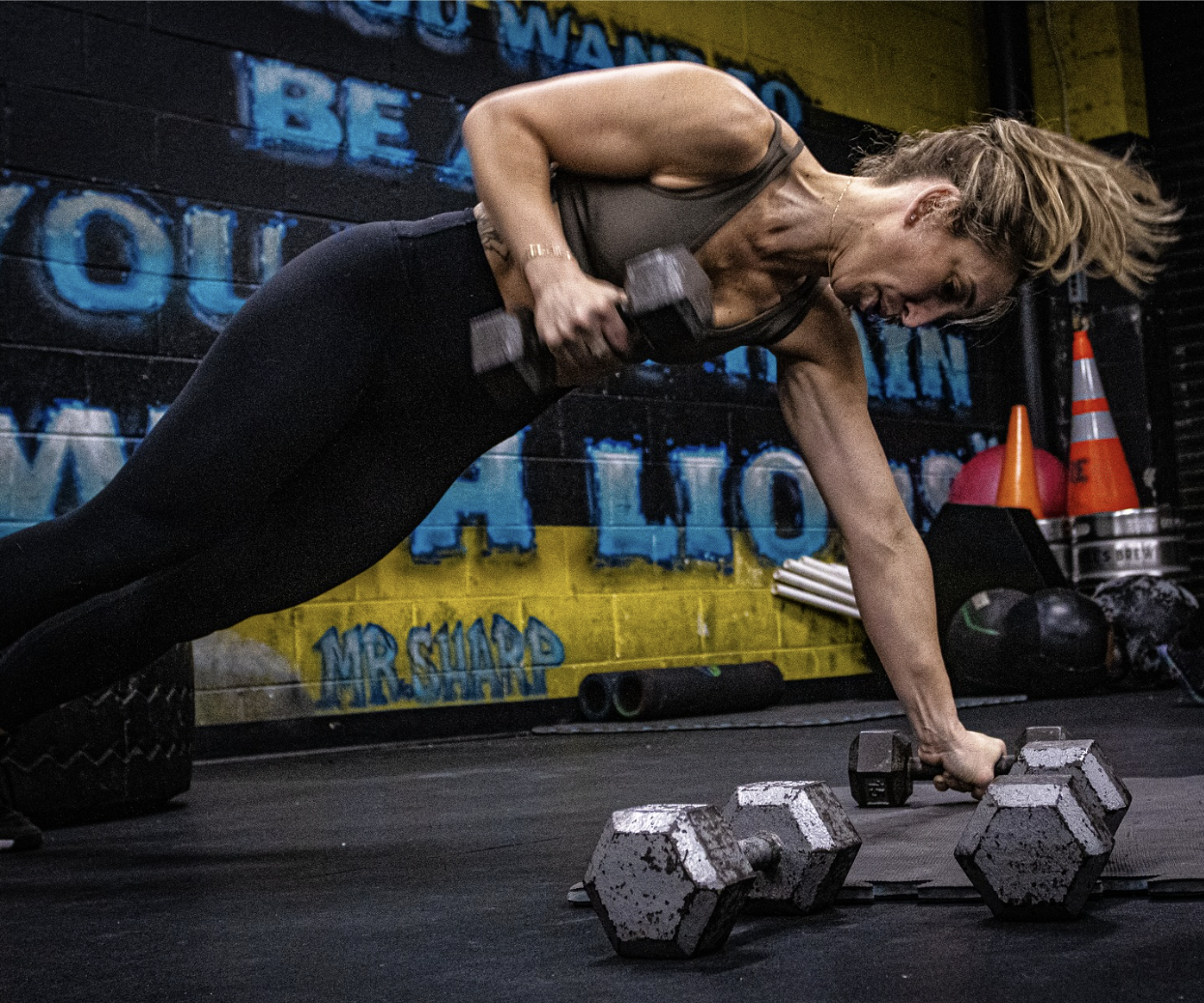
Functional Training Made Easy
Functional training is an approach to exercise that prioritizes movements in their natural context—everyday tasks, sports, or any situation requiring coordinated muscular effort. Instead of isolating single muscle groups, functional training emphasizes compound movements that engage multiple muscles and joints simultaneously. The result is a workout routine that feels smooth, natural, and directly useful in daily life.
This guide explores ways you can incorporate functional training whether you’re at home, in your local gym, or even at a nearby park. You’ll find steps to build a foundation, examples you can adapt to your needs, and tips on thriving in your local setting. By the end, you’ll have a clear, practical approach to training that seamlessly fits into your lifestyle and routines.
Understanding Functional Training
Functional training goes beyond simply lifting heavier weights or adding more miles to your run. It centers on developing strength, stability, and mobility in ways that naturally align with how you move throughout the day.
- It often uses bodyweight exercises or minimal equipment.
- Movements typically combine multiple joints and muscle groups.
- The focus is on smooth, coordinated patterns that reflect everyday activities.
Functional training is rooted in the concept that your body is more than the sum of its parts. When you practice exercises like squats, lunges, or pushes, you prepare your muscles in unison, rather than treating them as separate units. This integrated approach leads to heightened balance, better posture, and a reduced risk of injury, both inside and outside the gym.
Benefits of a Local Approach
Many beginners feel uncertain about how to start. They might rely on large fitness centers with advanced machines, yet functional training can be done in smaller, local settings that naturally support full-body movement. Small gyms, community recreation centers, or even schoolyards offer ample space and equipment like a simple pull-up bar or set of resistance bands.
- Community-based settings often allow for more personal attention.
- Local playgrounds or parks provide free, open areas for movement.
- Equipment needs remain minimal, lowering both cost and complexity.
In these smaller or open-air spaces, you don’t have to compete for fancy machines. Instead, you’re free to focus on the fundamentals: mastering push-ups, squats, and other compound movements. This emphasis on the basics creates a stable platform from which you can confidently progress.
Step-by-Step Foundation
Before you jump into complex movements, it’s essential to lay a solid foundation. This involves taking a careful look at your posture, movement awareness, and basic mobility.
1. Movement Assessment
Begin by doing a simple self-check of how you stand, walk, and sit. Notice whether you slump forward, arch your lower back, or lean more to one side. Having this self-awareness helps you recognize where you might compensate during your exercises. Once you master proper alignment, you’ll reduce strain and move more efficiently.
2. Core Strength and Stability
Your core does more than just enable you to do sit-ups: it stabilizes your spine and transfers power throughout your movements. Planks and dead bugs are effective ways to target and strengthen your midsection. They teach your core to engage automatically when you run, lift groceries, or twist to pick up an object from the floor.
3. Master the Hip Hinge
The hip hinge is the foundation for many functional movements, such as squats and deadlifts. Practice by placing a broomstick behind your back and ensuring it touches your head, upper spine, and tailbone as you flex forward at the hips. This movement pattern encourages a stable spine and a strong posterior chain (the network of muscles running from your back to your legs).
4. Perfect Your Squat
Squatting is foundational: from sitting down in a chair to picking up items off the ground. Stand with your feet shoulder-width apart, engage your core, and lower your hips as though you’re sitting back into a chair. Keep your knees behind your toes while maintaining an upright torso. Initially, focus on bodyweight squats in front of a mirror to check your form.
5. Develop the Push and Pull
Balancing push and pull movements ensures overall strength and stability in your upper body. In a local setting, try push-ups with variations to adjust difficulty—from knees on the ground for beginners to full push-ups for more advanced. For pulling, look for a sturdy bar at a park or a set of resistance bands. Rows, pull-ups, or TRX movements can help you target back muscles in a functional manner.
Equipment Essentials
Functional training can be approached with minimal gear, making it as budget-friendly as it is practical. If you have access to a local park, you’ve already got most of what you need. Still, a few key items can deepen your workouts:
- A Kettlebell or Dumbbell: Ideal for goblet squats, loaded carries, and various compound lifts.
- Resistance Bands: Lightweight and portable, perfect for rows, assisted pull-ups, and rotational movements.
- Stability Ball: Helps you challenge core strength and balance in exercises like ball planks or ball roll-outs.
- A Pull-Up Bar:Whether you install one at home or find one at a playground, it’s a valuable addition for pulling exercises.
Start small by acquiring a single kettlebell or set of resistance bands, and gradually add more if you find you benefit from an expanded range of exercises.
Crafting Your Routine
Designing a beginner-friendly functional training routine isn’t complicated. Aim to include movements that cover key patterns, ensuring well-rounded development without overloading the body. You can often start with just two to three sessions per week, allowing for rest and recovery in between.
Day One
- Warm-up with light mobility drills: hip circles, arm swings, and back rolls.
- Bodyweight Squats (3 sets of 10 reps): Focus on controlled descent.
- Push-Ups (3 sets of 8 reps): Use knee push-ups if you’re still developing upper-body strength.
- Planks (3 sets of 30 seconds): Maintain a straight line from head to heels.
- Cool down with gentle stretching for hamstrings, chest, and shoulders.
Day Two
- Warm-up with dynamic stretches: leg swings and spinal rotations.
- Hip Hinges (3 sets of 10 reps): Practice the broomstick technique before adding weight.
- Resistance Band Rows (3 sets of 8-10 reps): Keep elbows close to your body.
- Standing Single-Leg Balance (2 sets of 20 seconds per leg): Build stability in the hips and ankles.
- Cool down with slow, mindful breathing while reaching arms overhead.
Day Three
- Warm-up with short jog or brisk walk to promote cardiovascular readiness.
- Lunges (3 sets of 6 reps per leg): Step forward and lower your body in a controlled fashion.
- Kettlebell Deadlifts (3 sets of 8 reps): Keep the back neutral, engaging the core and glutes.
- Side Planks (2 sets of 20 seconds per side): Strengthen lateral core stability.
- Cool down with static stretches for quads, hip flexors, and lower back.
Local Adaptations
Adapting your routine to local settings can make each session both practical and exciting. If you have a small neighborhood gym, look for open space where you can implement standing or lunging movements without crowding. Use any free weights, foam rollers, or bands provided by the gym if you don’t have your own.
- If you’re training outside at a park:
- Warm up by walking or jogging around the playground or nearby track.
- Practice squats and lunges with a bench as a guide for depth.
- Use monkey bars to practice hangs or assisted pull-ups.
- If you’re at a community center:
- Take advantage of any group fitness class to learn new techniques.
- Ask if they have kettlebells or TRX straps you can incorporate.
- Use the open gym space for crawling variations, shuttle runs, or cone drills.
Observe your surroundings and adjust as needed. Functional training thrives in environments that allow free-flowing movement and the option to add a little variety.
Practical Progressions
As you gain confidence in your foundational movements, seeking new challenges is natural. Progressing methodically ensures you continue to see gains without straining your body.
- Increase Load Gradually: Once you can comfortably complete bodyweight movements, start adding weight. Kettlebell squats or dumbbell lunges are excellent next steps.
- Add Complexity: Introduce single-leg variations—like single-leg squats or single-arm presses—to challenge stability and coordination.
- Focus on Tempo: Vary the speed of your repetitions. Slow, controlled reps emphasize muscle tension, while explosive reps build power.
- Try Circuit Training: Combine 3–4 movements—like squats, push-ups, rows, and planks—into a loop. Rest only after completing the entire circuit. This promotes cardiovascular endurance alongside functional strength.
Progressions should feel challenging but never painful. Always pay attention to proper form. If you feel pain or discomfort, reassess your technique, or reduce the intensity until you’re ready to advance.
Integration into Daily Life
Many of the movements in functional training mirror activities you perform daily. By strengthening these patterns, you’ll find your everyday tasks becoming more efficient and less draining.
- A strong core makes carrying groceries, lifting children, or doing yard work smoother and less stressful.
- Balanced hip and knee strength supports long walks, hikes, or recreational sports like basketball and tennis.
- Improved stability and mobility reduce the risk of minor slips and falls, especially on uneven surfaces.
With practice, you’ll find that almost any moment can become a mini-training session—such as activating your core while standing in line or using a hip hinge when picking up items at home. This synergy between formal exercises and daily tasks forms the essence of functional training: your workout becomes an extension of how you move naturally.
Common Pitfalls to Avoid
As with any fitness program, beginners can fall into traps that slow progression or cause discomfort. Being aware of these pitfalls helps you stay on track:
- Excessive Speed: Rushing through movements can lead to sloppy form. Prioritize control over speed.
- Comparisons to Others: Everyone’s starting point differs. Focus on your own improvements without measuring yourself against peers.
- Neglecting Recovery: Rest days, sleep, and proper nutrition are crucial. Overdoing workouts can hinder progress or lead to injury.
- Skipping Warm-Ups: Cold muscles have a higher injury risk. Always give your body a chance to prepare through mobility drills or light cardio.
By practicing patience and consistency, you’ll see steady progress without undermining your long-term health and well-being.
Evolving with Your Practice
Just as movement is dynamic, so too is your path in functional training. Each milestone you hit invites you to explore deeper or more diverse ranges of motion. You might discover an affinity for different movement disciplines such as yoga, Pilates, or calisthenics, all of which complement your functional training foundation.
Continue experimenting and refining:
- Introduce agility drills: Cones or small hurdles can help develop quicker, more nimble footwork.
- Explore advanced bodyweight exercises: Handstands, pistol squats, and muscle-ups require the foundational stability you’re building now.
- Cross-train with sports: Enjoy group sports or individual activities that leverage your improved endurance and strength.
The process remains cyclical: reflect on your progress, pinpoint areas needing attention, and adapt your exercises for ongoing growth.
Embracing Continuous Learning
Functional training isn’t a one-time fix. It embodies a philosophy of intentional movement and constant evolution. By staying curious—asking questions when you feel uncertain, seeking guidance from more experienced trainers, and paying close attention to how your body responds—you’ll develop a lasting practice.
Your body is designed to adapt, learn, and thrive. By weaving functional training into your local community—using gyms, parks, and accessible resources—you create an environment where your progress is both supported and sustainable. You’ll feel the difference in how you carry yourself, tackle daily tasks, and approach new challenges.
In the end, success in functional training isn’t measured by arbitrary numbers or short-lived achievements. It’s reflected in how confidently and gracefully you navigate your daily life. Even small gains in posture, stability, and movement awareness can lead to massive improvements in well-being. Every training session becomes a building block, paving the way toward a future where motion is fluid, strength is accessible, and balanced fitness feels like second nature.