
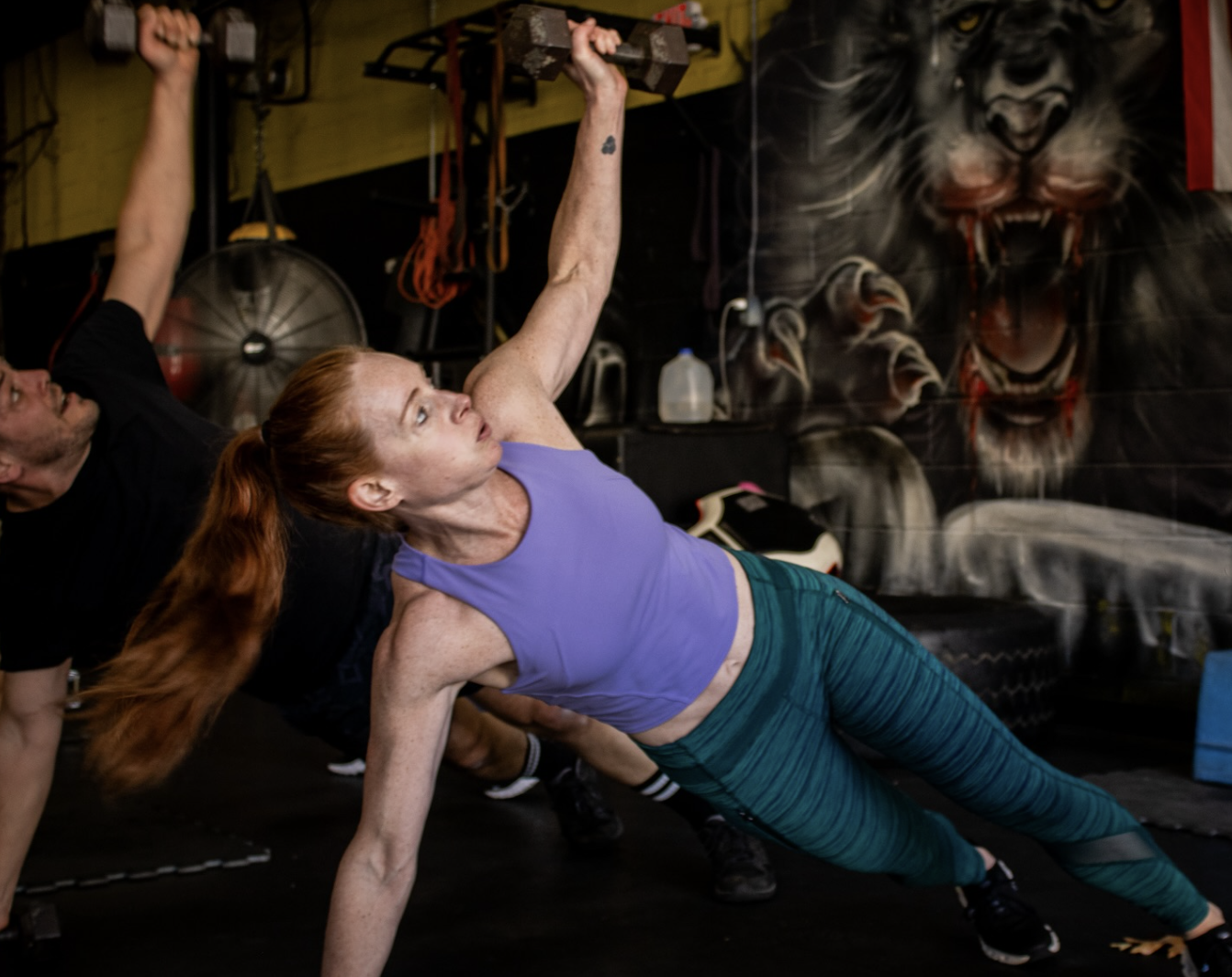
When it comes to fitness, few training methods pack as much punch as high-intensity interval training (HIIT). These fast-paced, sweat-dripping workouts promise maximum results in minimal time. But here’s the kicker: the real progress doesn’t happen during the workout—it happens during recovery. That’s right. How you recover after HIIT can make or break your fitness gains.
In this blog, we’ll explore the science-backed recovery techniques you need to bounce back stronger, prevent injuries, and keep crushing your fitness goals. Whether you’re a seasoned HIIT enthusiast or just starting, these tips will help you train smarter and longer. Let’s dive in!
Why Recovery Matters After HIIT
HIIT workouts are intense, and that’s their appeal. Short bursts of all-out effort push your body to its limits, followed by brief rest periods. This approach is incredibly effective for improving cardiovascular fitness, torching calories, and building endurance. However, the stress HIIT places on your body is significant, and recovery is essential for:
- Repairing Muscle Tissue: Intense intervals cause micro-tears in your muscles. Recovery allows your body to repair and rebuild, making your muscles stronger.
- Preventing Overtraining: Without proper rest, your performance declines, and you risk injuries.
- Maximizing Performance: Recovery replenishes energy stores, ensuring you’re ready to crush your next workout.
Skipping recovery isn’t just a missed opportunity—it’s a recipe for burnout. Here’s how to recover effectively and keep your body in top form.
Refuel with Optimal Nutrition
When you’ve just crushed a HIIT session, your muscles are screaming for fuel. The intensity of HIIT depletes energy reserves, creates micro-tears in your muscle fibers, and drains essential nutrients. To maximize recovery, you need to refuel strategically. Think of your post-workout nutrition as the foundation for building strength, endurance, and resilience. Here’s how to do it right:
Prioritize Protein
Protein is your post-HIIT MVP. It’s critical for repairing muscle tissue and promoting growth, helping you recover faster and come back stronger. Your goal should be to consume a meal or snack with 20-30 grams of high-quality protein within 30-60 minutes after your workout.
Don’t Skip Carbs
Carbs are often misunderstood in the fitness world, but they’re essential for recovery, especially after a HIIT workout. High-intensity intervals burn through glycogen stores (your body’s energy reserves), leaving your muscles depleted. Replenishing these stores helps your body recover faster and perform better in future sessions.
Stay Hydrated
Sweat isn’t just water—it’s a mix of essential electrolytes like sodium, potassium, and magnesium. After a HIIT session, you need to replenish these lost fluids to keep your muscles functioning optimally and prevent cramps or fatigue.
2. Embrace Active Recovery
Rest doesn’t always mean becoming one with your couch for the day. Active recovery, which involves low-intensity movements, can work wonders for reducing muscle soreness and speeding up the recovery process. By keeping your body moving gently, you help increase circulation, deliver nutrients to muscles, and flush out waste products like lactic acid.
Go for a Walk or Swim
Sometimes the best way to recover is to keep things light. Activities like walking, swimming, or yoga get your blood flowing without putting stress on your body. The improved circulation helps deliver oxygen and nutrients to your muscles, accelerating repair while reducing stiffness.
Foam Roll Like a Boss
Foam rolling is like giving your muscles a much-needed massage. This self-myofascial release technique helps break up muscle knots, improves mobility, and promotes faster recovery. Spend 10-15 minutes rolling out major muscle groups, focusing on the ones you pushed hardest during your HIIT workout.
3. Stretch It Out
Stretching isn’t just an afterthought—it’s an essential part of recovery that keeps your muscles flexible, reduces stiffness, and prevents injuries. Incorporating regular stretching into your routine ensures your body stays balanced and mobile, which is especially important after the repetitive, high-intensity nature of HIIT.
Incorporate Static Stretching
Static stretches are a go-to for post-workout recovery. These involve holding stretches for 20-30 seconds to lengthen and relax muscles. Target the muscle groups you used during your workout, such as your legs, glutes, and shoulders.
Example Stretches:
- Hamstring Stretch: Sit on the ground with one leg extended and reach for your toes. Feel the stretch in the back of your thigh.
- Hip Flexor Stretch: Kneel on one knee, with your other leg in front, and gently push your hips forward to stretch the front of your hip.
Try a Stretching Routine
Consistency is key when it comes to stretching. Consider following a guided program to make stretching a regular part of your recovery. Apps like StretchIt provide structured routines tailored to your needs, helping you stick to a plan and improve flexibility over time.
4. Sleep Like an Athlete
If there’s one recovery method you can’t afford to skip, it’s sleep. During deep sleep, your body goes into repair mode, releasing growth hormone that helps rebuild tissues and strengthen muscles. Without enough quality sleep, you’ll find it harder to recover, and your performance will take a hit.
Aim for 7-9 Hours
Quality sleep is non-negotiable. Prioritize a consistent sleep schedule, aiming for at least 7-9 hours each night. Create a calming bedtime routine—think dim lighting, no screens, and maybe some light stretching—to signal to your body that it’s time to wind down.
Take Power Naps
Can’t squeeze in enough sleep at night? A 20-30 minute power nap during the day can provide a quick recovery boost, helping reduce fatigue and improve alertness.
5. Understand the Role of Rest Days
Here’s the truth: your muscles don’t grow during workouts—they grow during rest. Rest days are when your body adapts to the stress of exercise, repairing tissues, restoring energy levels, and getting you ready for the next session.
Schedule 1-2 Rest Days per Week
How many rest days you need depends on your fitness level and workout intensity. As a general rule, aim for 1-2 rest days each week. Pay attention to your body—if you’re feeling excessive fatigue, noticing decreased performance, or dealing with lingering soreness, you might need to dial back and rest more.
Mix Rest and Active Recovery
Rest days don’t always mean doing nothing. Alternate between complete rest (think Netflix and a cozy blanket) and active recovery days that keep you moving gently. This balance ensures your body gets the downtime it needs while staying flexible and mobile.
Example Active Recovery Day: A yoga session in the morning followed by a light walk in the evening can help you recharge without overexerting yourself.
6. Avoid Common Recovery Pitfalls
Even the best intentions can go sideways if you’re not careful. Here are some recovery mistakes to avoid:
Skipping Warm-Ups and Cool-Downs
Warm-ups prepare your body for the demands of HIIT, while cool-downs bring your heart rate back to normal and ease muscle tension. Skipping these steps can lead to injuries and delayed recovery.
Not Eating Enough
Fueling your body post-workout isn’t optional. Under-eating slows down recovery and puts you at risk for muscle loss. Ensure you’re eating enough calories, with a focus on protein, carbs, and healthy fats.
Overtraining
It’s tempting to push your limits every day, but overtraining is a fast track to burnout and injuries. Recovery isn’t a sign of weakness—it’s part of the process.
Practical Example: A Post-HIIT Recovery Plan
Recovery starts the moment your HIIT session ends. To ensure your body bounces back stronger and ready for your next workout, follow this detailed step-by-step plan. Each step has a specific purpose, working together to optimize your recovery and keep you performing at your peak.
- Cool Down: Spend 5-10 minutes walking or cycling at a low intensity.
- Stretch: Do a 10-minute static stretching routine targeting major muscle groups.
- Refuel: Eat a balanced meal with protein, carbs, and healthy fats within an hour.
- Foam Roll: Spend 10-15 minutes rolling out tight areas.
- Hydrate: Drink water or an electrolyte-rich beverage throughout the day.
- Sleep: Get 7-9 hours of quality sleep that night to let your body repair and recharge.
The PIT Edge: Recovery Done Right
At Prime Intensity Training (PIT), we know recovery is just as important as the workout itself. That’s why we design personalized recovery strategies to complement our HIIT programs, helping you perform at your peak while minimizing injury risk.
What Sets Us Apart:
- Tailored Recovery Plans: We analyze your fitness level and goals to create a recovery plan that works for you.
- Supportive Community: Our trainers and members understand the balance between pushing hard and recovering smart.
Holistic Approach: From nutrition guidance to recovery workshops, we provide the tools you need to thrive.
Your Next Steps
Recovery isn’t just about feeling good after a HIIT workout—it’s about optimizing your performance, preventing injuries, and ensuring long-term success. By embracing active recovery, stretching, prioritizing sleep, scheduling rest days, and avoiding common pitfalls, you’ll bounce back stronger and more resilient after every session.
Want to take your recovery game to the next level? Visit Prime Intensity Training (PIT) to learn how we can help you build a recovery routine that matches your goals.
Train hard. Recover smart. Repeat.
One response to “The Science Behind Effective Recovery for HIIT Workouts”
[…] goal. The hidden costs of under-recovery extend far beyond temporary performance decrements. Chronic under-recovery creates a cascade of negative adaptations: elevated cortisol levels promote muscle protein breakdown and fat storage, impaired glycogen […]