
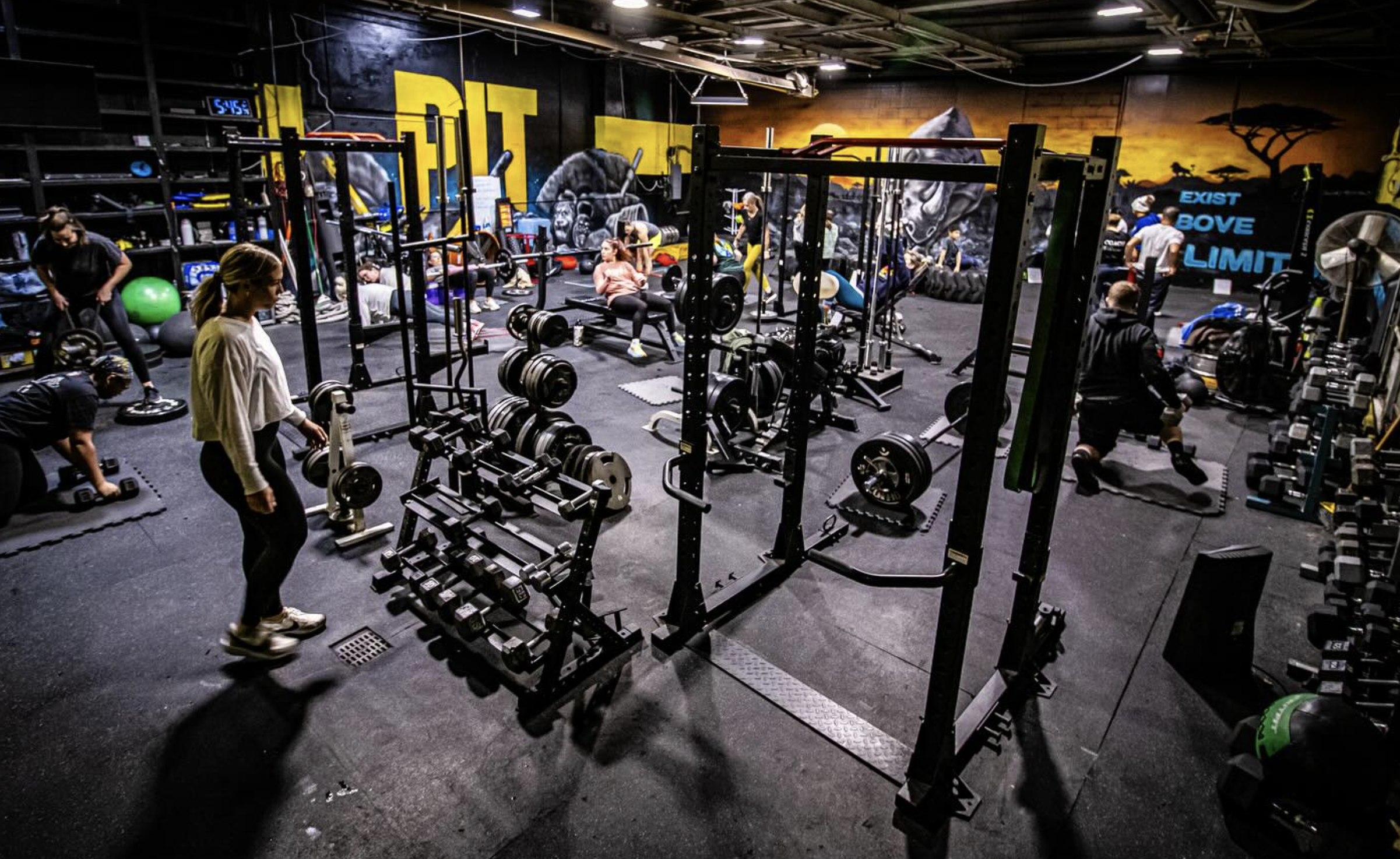
Building strength and improving fitness often begin with a simple choice: follow a traditional workout plan or explore a functional training approach. Both styles have merit, yet they offer distinct methods for achieving strength, conditioning, and overall wellness. Understanding their differences clarifies which style will help you feel stronger, move better, and reach your individual goals.
This guide explores the key features of functional training and traditional workouts, highlighting essential benefits and comparing their broader impact on movement, mobility, and long-term health. Whether you want to enhance your athletic performance, increase your daily energy, or develop a physique that blends aesthetics with practical strength, the right approach can help you level up in all aspects of life.
What Functional Training Really Means
Functional training is designed to support the tasks and movements that shape our daily lives. It centers on exercises that mimic real-world motions, focusing on how muscles work together in coordinated actions. Instead of training one muscle group at a time, functional exercises challenge multiple muscle groups simultaneously.
Movement Patterns Over Muscle Groups
Functional workouts target everyday movement patterns like squatting, bending, pushing, and lifting. By relying on compound exercises, like squats with overhead presses or lunges with rotations, this style prepares you for the physical challenges of chores, sports, and unexpected demands.
Whole-Body Coordination
Functional training develops synergy between your upper body, core, and lower body. Exercises often use unstable or unpredictable surfaces, like BOSU balls or suspension straps, forcing you to stabilize your spine and engage your core. This fosters a dynamic sense of balance that traditional isolation workouts may overlook.
Resilience and Safety
Because functional movements train your body to work as a unit, they also help you avoid aches, strains, and injuries. By training across multiple planes of motion, you strengthen connective tissues, improve joint health, and learn proper alignment that reduces the risk of misalignment injuries.
Functional training doesn’t require a large amount of equipment. Many programs incorporate kettlebells, medicine balls, and resistance bands, making them both versatile and travel-friendly. At PIT Fitness, functional workouts are specifically crafted to address the daily challenges of busy professionals, athletes, and anyone longing for more efficient, robust fitness.
Classic Strength and Muscle Building with Traditional Workouts
Traditional workouts often emphasize isolated exercises, routine sets, and split body parts. This style has a long history in gyms around the world, frequently associated with hypertrophy (muscle growth) programs. If your main objective is to add visible muscle mass or isolate specific weaknesses, traditional workouts can be extremely effective.
Isolation for Muscle Growth
Traditional methods focus on training muscles individually, bicep curls for arms, leg extensions for quadriceps, or calf raises for lower legs, and employing progressive overload for consistent gains. This method is particularly helpful for bodybuilders and those looking for clearly defined, aesthetic muscle development.
Structured Programming
Many traditional workout programs use a structure like “back and biceps” one day, “chest and triceps” another, and “legs” on a separate session. By splitting up routines, you can systematically overload muscle groups while providing adequate recovery time.
Familiarity and Accessibility
Gyms worldwide typically offer machines and free weights that cater to traditional exercises. Even beginners can pick up a straightforward routine, like bench press, barbell curls, or leg press, under minimal supervision. Because of its popularity, it’s also easy to find programs and charts guiding you through sets, reps, and progression cycles.
Despite the benefits, a purely traditional approach rarely addresses the adaptability required for real-life movements. While you gain targeted strength, you may overlook stabilizing muscles that protect your joints, or skip exercises that integrate your core and improve functional flexibility.
The Role of Movement Quality
One of the biggest differences between functional and traditional workouts is their approach to movement quality. Functional routines place a higher emphasis on correct movement patterns, which promote overall strength while protecting joints and connecting tissues. Traditional routines often revolve around isolated exercises, which can sometimes ignore stabilizers or supporting muscle groups.
In functional training, quality trumps quantity. Deep squats, lunges, and overhead presses performed with perfect form stabilize the spine, engage the core, and reinforce exemplary posture. These multi-joint actions cultivate joint health and holistic power. When combined with corrective exercises, like scapular retractions or glute bridges, functional training can transform how you move in everyday life.
By contrast, some traditional programs concentrate on hitting specific muscles to achieve hypertrophy. If you choose to devote a day solely to chest training, for example, you might rely heavily on machines focusing only on pecs and triceps. Though beneficial for muscle growth, this type of routine can inadvertently overlook smaller or deeper stabilizing components unless carefully planned. Conscious maintenance of movement quality is possible with traditional training, but it doesn’t always receive priority.
Why Goals and Purpose Must Guide Your Decision
There’s no absolute “best” workout style for everyone. Instead, your primary goals, training background, current physical condition, and personal preferences should define whether functional or traditional approaches (or a blend) work best for you.
Everyday Movement and Athletic Performance
If you want to lift your groceries pain-free, confidently climb stairs, or move faster and more explosively on the field of play, functional training may be your best bet. It teaches your neuromuscular system to fire efficiently, building skills that transfer seamlessly to daily activities. By integrating compound movements through multiple planes of motion, you enhance balance, stability, and reactivity.
Physical Aesthetics and Targeted Hypertrophy
If building maximum muscle mass is your top priority, traditional muscle splits and progressive overload are tried-and-true. Traditional protocols, like pyramid sets, drop sets, and isolation work, focus on sculpting specific areas for a symmetrical physique. Bodybuilders, figure competitors, and those seeking muscle definition often choose this route.
Injury Prevention and Rehabilitation
Functional training fosters better joint mobility, core engagement, and integrated strength. This synergy can be helpful for people recovering from injuries or looking to prevent them. By prioritizing safe and effective movement patterns, functional training often acts as a corrective strategy that enhances your overall mechanics.
Combating Plateaus and Boredom
Traditional workouts can become repetitious, performing the same isolation exercises repeatedly may become monotonous. Functional training, which uses diverse equipment and movement-based routines, keeps your mind and body guessing. Conversely, if functional routines begin to feel unfocused for your specific needs, traditional, methodical progressions can sharpen your progress and keep motivation high.
Why Not Combine Elements of Both?
An all-or-nothing mindset sometimes stifles progress. You don’t have to be exclusively a “functional” athlete or strictly follow a “traditional” bodybuilding approach. Many athletes and fitness enthusiasts adopt hybrid strategies for well-rounded results.
Blending Isolation and Compound Movements Imagine starting your routine with dynamic, bodyweight-based actions, like walking lunges, scapular push-ups, or full-body kettlebell swings, to engage multiple muscle groups at once. Afterward, you add a few isolation exercises, such as bicep curls or calf raises, to ensure you’re challenging any lagging muscle groups. This combination cultivates whole-body strength while sealing any gaps in development.
Periodizing Your Training Style Periodization involves dividing your training into cycles, like focusing on raw strength for a few months, then shifting toward power or hypertrophy. Similarly, you could dedicate a portion of the year to more functional routines designed to enhance mobility, then reintroduce heavier traditional lifts if you aim to bulk up in another cycle.
Monitoring Intensity and Recovery When mixing functional and traditional styles, keep close track of your overall workload. High-intensity circuits paired with heavy strength days can strain your central nervous system if you’re not strategic. By listening to your body and planning recovery, you can maximize gains while staying healthy. Using tools like heart rate variability (HRV) or simple rest-day routines ensures you adapt and progress without risking burnout.
How PIT Fitness Approaches Functional Training
At PIT Fitness, our programs underscore functional fundamentals while honoring the benefits that come from strength-oriented routines. We craft workouts around purposeful movements that translate to your daily life, ensuring you can comfortably lift, carry, twist, and sustain different forms of physical activity.
Our trainers guide clients through safe and systematic progressions. Instead of loading you with random exercises, we evaluate how you move, identifying asymmetries that need correction. By tailoring each session to your ability level, our functional approach becomes a reliable framework for real-world gains.
We emphasize:
Dynamic Warm-Ups and Mobility: Preparing your body for each session is non-negotiable. Through dynamic stretches, foam rolling, and range-of-motion drills, you prime your joints and muscles before higher-intensity challenges.
Progressive Skill Development: We layer complexity gradually. Basic bodyweight squats come first, followed by goblet squats and, eventually, barbell front squats if that aligns with your strength goals. This progression instills proper form long before pushing heavier loads.
- Emphasis on Core Stability and Rotational Strength:
Functional training thrives on robust rotational stability. We use exercises such as Russian twists, cable woodchoppers, or even lateral band rotations to ensure your obliques and deeper core muscles remain strong and supportive.
Realistic Conditioning: Within each functional session, we incorporate time-based or circuit-style segments, preparing you for real-life tasks that demand bursts of endurance. Medicine ball throws, plyometric jumps, and sled pushes replicate the type of full-body energy you need to move swiftly and powerfully in everyday scenarios.
Links like American Council on Exercise and the National Strength and Conditioning Association provide valuable insights on movement quality and well-structured programming, showcasing the science behind functional techniques.
Addressing Common Misconceptions
There are a few myths about both functional training and traditional workouts that warrant a closer look:
- Myth 1: Functional Training Can’t Build Serious Muscle
While it’s true that many functional workouts emphasize multi-joint exercises over isolation, they can still produce significant muscle development. Kettlebell swings, barbell complexes, and heavy sled pushes target multiple muscles simultaneously. Adequate volume, coupled with progressive overload, stimulates hypertrophy. - Myth 2: Traditional Workouts Don’t Improve Total-Body Movement
Isolation exercises can enhance raw strength that benefits full-body movements when integrated into a larger program. For instance, strengthening your hamstrings or glutes independently can then improve your squat form in a functional session. The key is weaving targeted lifts into a bigger fitness strategy. - Myth 3: You Have to Choose One or the Other
Blending strategies is often the most beneficial approach. A program that incorporates both functional and traditional exercises can help you develop overall strength, size, and athleticism.
Real-World Examples of Functional vs Traditional Approaches
Picture two individuals aiming to improve overall fitness:
- Taylor is a busy parent juggling a full-time job. They want enough energy and strength to carry groceries, chase children around, and remain injury-free. Taylor chooses a functional program focusing on push-ups, squats, deadlifts, and planks. They also incorporate occasional suspension-training drills for stability. After a few weeks, Taylor notices easier movement during everyday tasks and improved posture, with less tension in the lower back.
- Jordan is keen on classic muscle-building. They follow a split routine focused on bench presses, shoulder presses, curls, and triceps pushdowns, emphasizing hypertrophy for the upper body. Jordan’s chest and shoulders become more defined within a few months, showcasing clear strength gains for specific muscle groups. While this approach yields visual improvements, Jordan recognizes the importance of adding core and stamina-building drills to handle the demands of daily life as well.
Both strategies succeed at different things. It’s about aligning your training style with the realistic outcomes you need or desire. If time allows, combining these approaches can strike a balance that yields strength, aesthetic development, and adaptability.
How to Start Your Own Path
Stepping into a new workout style can feel intimidating, but small steps help ensure you adopt the most suitable routine. Begin by listing your top three fitness goals. Are you aiming for better posture, aesthetic muscle growth, improved athletic performance, or injury prevention? Next, assess your present mobility and strength. You might try simple tests like bodyweight squats, push-ups, or a short plank hold to gauge where you stand. From there:
Research or Seek Guidance If you’re new to functional training, consider getting professional advice to ensure proper form. Certified trainers can demonstrate small tweaks that significantly impact performance. For traditional approaches, many established programs lay out progression and reps, making it easy for beginners to follow a safe, consistent track.
Start Low and Go Slow Whether you choose functional or traditional exercises, begin with manageable weights and smooth form. This prevents injury and sets a solid foundation. Ramping up intensity too quickly can lead to setbacks.
Maintain Accountability Progress is easier with community support or training partners. At PIT Fitness, we encourage clients to train together and share experiences, keeping each other motivated. Finding friends, family members, or online fitness groups that align with your style can provide encouragement and maintain momentum.
Ask for Feedback and Track Results Recording your workouts and outcomes, like improved squat depth or noticeable muscle gains, illuminates next steps. Tracking helps you identify plateaus before they derail your progress, enabling you to adjust volume or intensity accordingly.
A Dynamic, Evolving Fitness Journey
Fitness isn’t static. Over time, your goals may change. A desk-bound professional might shift from traditional bodybuilding routines to functional training to handle backaches and tight hips. A mother returning from maternity leave may initially focus on functional core stability, then segue into targeted weightlifting to build more muscle definition. Whether you prioritize aesthetics, daily movement, or a combination, your workout plan can evolve with you.
A constantly adapting mindset ensures your workouts remain fresh, challenging, and aligned with your life’s trajectory. Functional training primes you for versatile, real-world strength, while traditional workouts can supercharge muscle-building and isolation for aesthetic progress. The beauty lies in recognizing that you can pick and choose elements from both philosophies, creating a personalized program that resonates with your changing aspirations.
At PIT Fitness, the priority is creating an environment of intelligent, purposeful movement. We blend the best of functional and classical strength modalities while emphasizing proper technique, gradual overload, and community support.
Embracing Your Best Version of Fitness
Both functional training and traditional workouts offer profound benefits. Ultimately, the best choice depends on you, your body, your goals, your activity level, and your determination to grow. If your aim is bulletproof mobility, daily vigor, and injury resilience, functional training is likely your ideal path. If you yearn for pronounced muscle definition or aspire to compete in strength sports, traditional routines hold distinct advantages.
There’s no need to force yourself into one camp. Exploring elements of both can spark new breakthroughs in strength, movement, and motivation. Living an active lifestyle means continuously sensing where you stand, appreciating how your body responds, and staying open to adjustments. Wherever you place your focus, remain curious, consistent, and ready to adapt.
Every gym session, whether functional or traditional, represents a chance to refine, discover, and progress. By clarifying your objectives, embracing quality movement, and periodically testing new strategies, you sidestep plateaus and keep fitness fresh. Above all, each rep, set, or dynamic flow moves you toward a stronger, more capable version of yourself.
Are you ready to build a stronger, more adaptable physique? PIT Fitness stands ready to guide you in applying functional principles that energize your daily life and help you excel in whatever tasks you face. Discover the difference that purposeful, integrative workouts can make, not only in appearance, but in the freedom you feel in every hour of the day.