
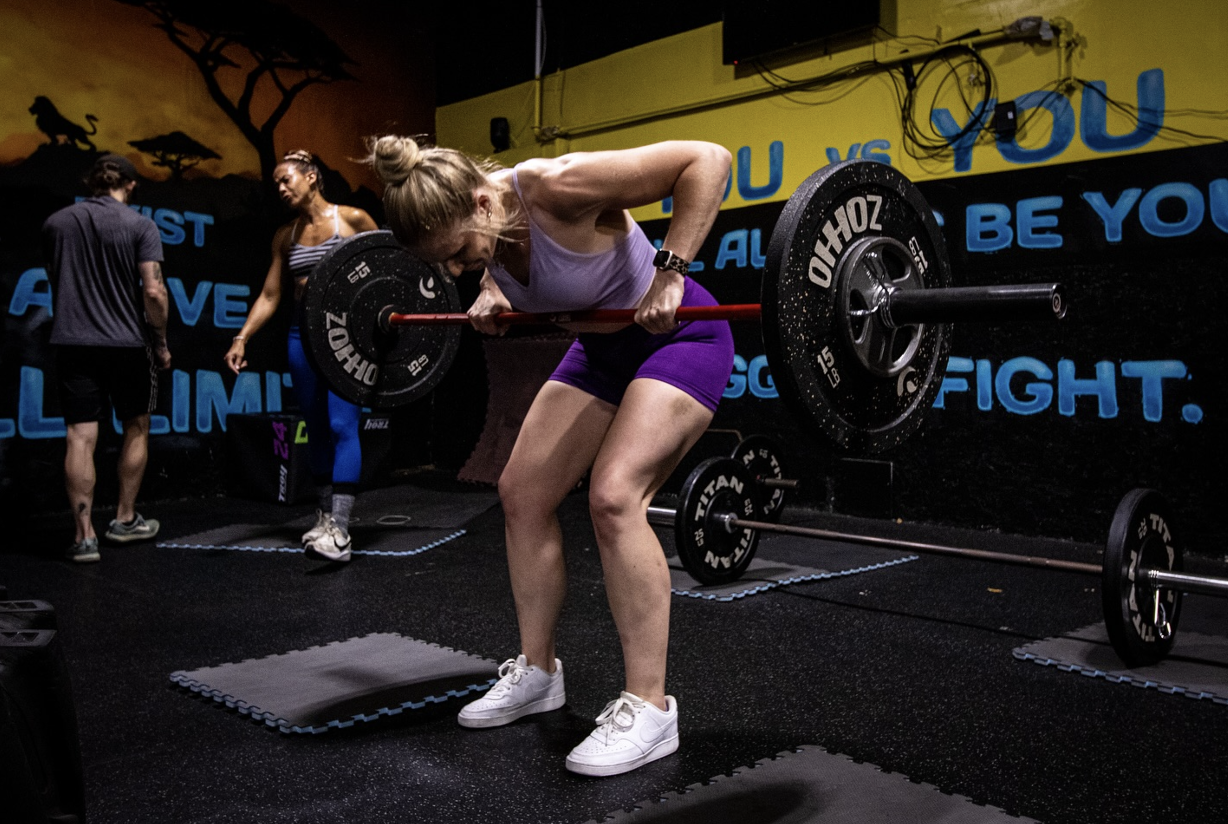
When it comes to fitness, choosing the right workout can feel overwhelming. Should you go for the fast, heart-pounding intensity of High-Intensity Interval Training (HIIT)? Or would functional training, with its focus on real-world movements, serve you better? Both have their merits, but understanding the unique benefits of each is the key to picking the one that aligns with your fitness goals.
In this blog, we’ll break down the differences between HIIT and functional training, explore their benefits, and help you decide which is the best fit for your goals—whether it’s weight loss, building strength, or enhancing overall athletic performance.
What Is HIIT?
HIIT, or High-Intensity Interval Training, is a powerful workout method designed to maximize results in minimal time. It alternates between short bursts of intense exercise and periods of rest or lower-intensity effort. The idea is simple yet highly effective: push your body to its limit during the intense intervals, recover just enough to catch your breath, and then go hard again. This cycle challenges your cardiovascular system and muscles, making it a favorite for anyone looking to get fit fast.
How It Works
- Structure: HIIT sessions are typically 15-30 minutes long, making them ideal for busy schedules. They consist of repeated intervals of high-intensity effort, such as sprinting, burpees, or jump squats, followed by recovery periods like walking or light jogging.
- Intensity: During the intense phases, you aim to reach 80-90% of your maximum effort, pushing yourself to the point where talking becomes difficult. This high intensity makes HIIT incredibly effective for burning calories and improving fitness levels in a short amount of time.
Benefits of HIIT
- Efficient Fat Burn: HIIT is a calorie-torching machine. The intense effort creates an afterburn effect (EPOC), where your body continues burning calories even after you’ve finished your workout. This means you’re still reaping the benefits hours later.
- Improved Cardio Fitness: HIIT isn’t just about fat loss—it’s a great way to boost your cardiovascular endurance. Regular sessions improve your VO2 max, helping your heart and lungs work more efficiently.
- Time-Saving: If you’re short on time, HIIT is your answer. In as little as 15 minutes, you can achieve the same—or better—results than traditional workouts that take twice as long.
Example HIIT Workout
- 30 seconds of all-out sprinting
- 1 minute of walking or light jogging
- Repeat for 10-15 rounds
This simple workout delivers a big impact, making it an excellent starting point for anyone new to HIIT or a quick session for experienced athletes.
What Is Functional Training?
Functional training is about equipping your body for the movements you perform every day. It focuses on exercises that replicate real-life actions, such as lifting, bending, pulling, or twisting, to improve strength, balance, flexibility, and coordination. Unlike traditional weightlifting, which isolates specific muscles, functional training works multiple muscle groups at once, helping you move better in and out of the gym.
How It Works
- Structure: Functional training typically involves multi-joint, multi-muscle exercises like squats, lunges, or kettlebell swings. These workouts often follow a circuit format, incorporating various movement patterns such as pushing, pulling, and twisting.
- Focus: The emphasis is on improving strength and stability in a way that directly translates to daily activities, like climbing stairs, carrying groceries, or playing sports.
Benefits of Functional Training
- Improved Mobility: Functional exercises increase your range of motion and promote joint health, keeping you limber and ready for everyday tasks.
- Reduced Injury Risk: By strengthening stabilizing muscles and enhancing balance, functional training reduces your likelihood of injuries, both during workouts and in daily life.
- Core Engagement: Most functional exercises activate your core muscles, improving posture, reducing back pain, and enhancing overall stability.
Example Functional Training Circuit
- 12 bodyweight squats
- 10 kettlebell swings
- 8 push-ups
- 1-minute plank
- Rest for 1-2 minutes, then repeat for 3-4 rounds
This routine works your entire body while mimicking real-life movements, making it a versatile option for anyone looking to improve strength and mobility.
HIIT vs. Functional Training: A Side-by-Side Comparison
Let’s break down the key differences and benefits of each approach to see how they stack up:
| Factor | HIIT | Functional Training |
| Primary Goal | Burn fat and improve cardiovascular fitness | Build strength, balance, and mobility |
| Intensity | High-intensity intervals with short rest periods | Moderate intensity with a focus on movement quality |
| Workout Length | 15-30 minutes | 30-45 minutes |
| Equipment Needed | Minimal (bodyweight, treadmill, or basic equipment) | Varies (kettlebells, resistance bands, free weights, or just bodyweight) |
| Muscle Focus | Primarily cardiovascular with secondary strength benefits | Full-body strength, stability, and functional movements |
| Best For | Quick calorie burn, weight loss, and boosting endurance | Improving overall athleticism, mobility, and reducing injury risk |
Choosing Based on Your Fitness Goals
Now that you understand what HIIT and functional training offer, let’s match them to your fitness goals:
1. Weight Loss
- Why Choose HIIT: If your primary goal is to burn fat and lose weight, HIIT is a powerful tool. The high intensity burns calories fast, and the afterburn effect keeps your metabolism revved for hours post-workout.
- Pro Tip: Combine HIIT with strength exercises like kettlebell swings for an added calorie-burning boost.
2. Building Strength and Muscle
- Why Choose Functional Training: Functional training focuses on multi-muscle movements, which are excellent for building strength and lean muscle. It also improves muscle coordination, making you stronger for real-world activities.
- Pro Tip: Incorporate progressive overload (gradually increasing resistance) to see consistent strength gains.
3. Improving Endurance
- Why Choose HIIT: HIIT is one of the best methods to improve cardiovascular endurance in a time-efficient manner. By pushing your limits during intense intervals, you train your heart and lungs to work more efficiently.
4. Enhancing Mobility and Balance
- Why Choose Functional Training: Functional exercises prioritize joint mobility, stability, and balance, making them ideal for those looking to move better and reduce the risk of injury.
Can You Combine HIIT and Functional Training?
The great news? You don’t have to choose one over the other! Combining HIIT and functional training can give you the best of both worlds. Here’s how:
A Sample Hybrid Workout
- Warm-Up (5 Minutes): Light cardio and dynamic stretches
- HIIT Circuit (10 Minutes):
- 30 seconds of burpees
- 1-minute rest
- Repeat 6 rounds
- Functional Training Circuit (20 Minutes):
- 12 kettlebell deadlifts
- 10 push-ups
- 15 lunges (each leg)
- Rest 1-2 minutes and repeat for 3 rounds
This combination improves endurance, burns calories, and builds strength in a single session.
Potential Challenges to Consider
No fitness journey is without its hurdles. While both HIIT and functional training offer incredible benefits, each has its own set of challenges that you should keep in mind when deciding which approach suits you best. Being aware of these potential obstacles can help you plan more effectively and avoid common pitfalls.
HIIT Challenges
- Risk of Burnout:
HIIT’s high intensity can take a toll on your body if overdone. Frequent, all-out effort sessions can lead to physical and mental exhaustion, as well as increased risk of injury. To avoid burnout, it’s best to limit HIIT sessions to 2-3 times per week and ensure you’re getting adequate recovery in between. Listen to your body—if you’re feeling unusually fatigued or struggling to perform, it’s a sign to scale back.
Pro Tip: Alternate HIIT with low-impact workouts like yoga, swimming, or walking to balance intensity with recovery.
- Not Ideal for Beginners:
The intensity of HIIT can feel overwhelming, especially for those just starting their fitness journey. Beginners may struggle to maintain proper form during high-effort intervals, increasing the risk of injury. If you’re new to fitness, start with moderate intervals (e.g., 20 seconds of effort followed by 40 seconds of rest) and gradually increase intensity as your fitness improves.
Pro Tip: Bodyweight movements like jumping jacks or modified burpees are beginner-friendly options to ease into HIIT.
Functional Training Challenges
- Learning Proper Form:
Functional exercises often involve complex, multi-joint movements that require good technique to perform safely and effectively. Without proper form, you risk straining muscles or injuring joints. This challenge is especially common with exercises like kettlebell swings or deadlifts, where small errors in movement patterns can lead to problems over time.
Solution: Consider working with a certified trainer or watching detailed instructional videos to master the basics. Investing in good technique early on will pay off in the long run.
- Slower Calorie Burn:
While functional training builds strength, mobility, and balance, it typically doesn’t burn calories as quickly as HIIT. This can be frustrating if your primary goal is weight loss. However, the long-term benefits of functional training—such as improved movement efficiency and injury prevention—make it worth incorporating into your routine.
Pro Tip: Add short bursts of cardio (e.g., jumping rope or brisk walking) between functional exercises to increase your calorie burn while still focusing on form and function.
How to Overcome These Challenges
Regardless of which training method you choose, overcoming these challenges is possible with the right approach:
- For HIIT: Focus on recovery and avoid overtraining by scheduling rest days. Adjust the intensity to match your fitness level and gradually increase as you build endurance.
- For Functional Training: Prioritize learning proper form before increasing weight or intensity. If calorie burn is a concern, combine functional training with other high-energy activities, like a HIIT session or a brisk walk.
By addressing these challenges proactively, you can enjoy the benefits of both HIIT and functional training without the setbacks.
The PIT Advantage: Helping You Choose What’s Best
At Prime Intensity Training (PIT), we understand that every fitness journey is unique. That’s why we offer tailored programs combining the best of HIIT and functional training to suit your goals, fitness level, and lifestyle.
Why PIT?
- Custom Plans: We design workouts that align with your goals, whether you’re aiming to torch fat, build strength, or improve mobility.
- Expert Guidance: Our trainers ensure proper form and progression, helping you avoid injuries while maximizing results.
- Supportive Community: You’re never alone—join a community that celebrates progress and pushes you to succeed.
Ready to Transform Your Fitness?
Whether you’re drawn to the intensity of HIIT, the practicality of functional training, or a mix of both, the most important thing is finding what works for you. Both methods can help you achieve incredible results when done consistently and with purpose.
Ready to take the next step? Visit Prime Intensity Training today and let us help you design the perfect workout plan for your goals. Because the right approach makes all the difference.
Let’s get stronger, together!