
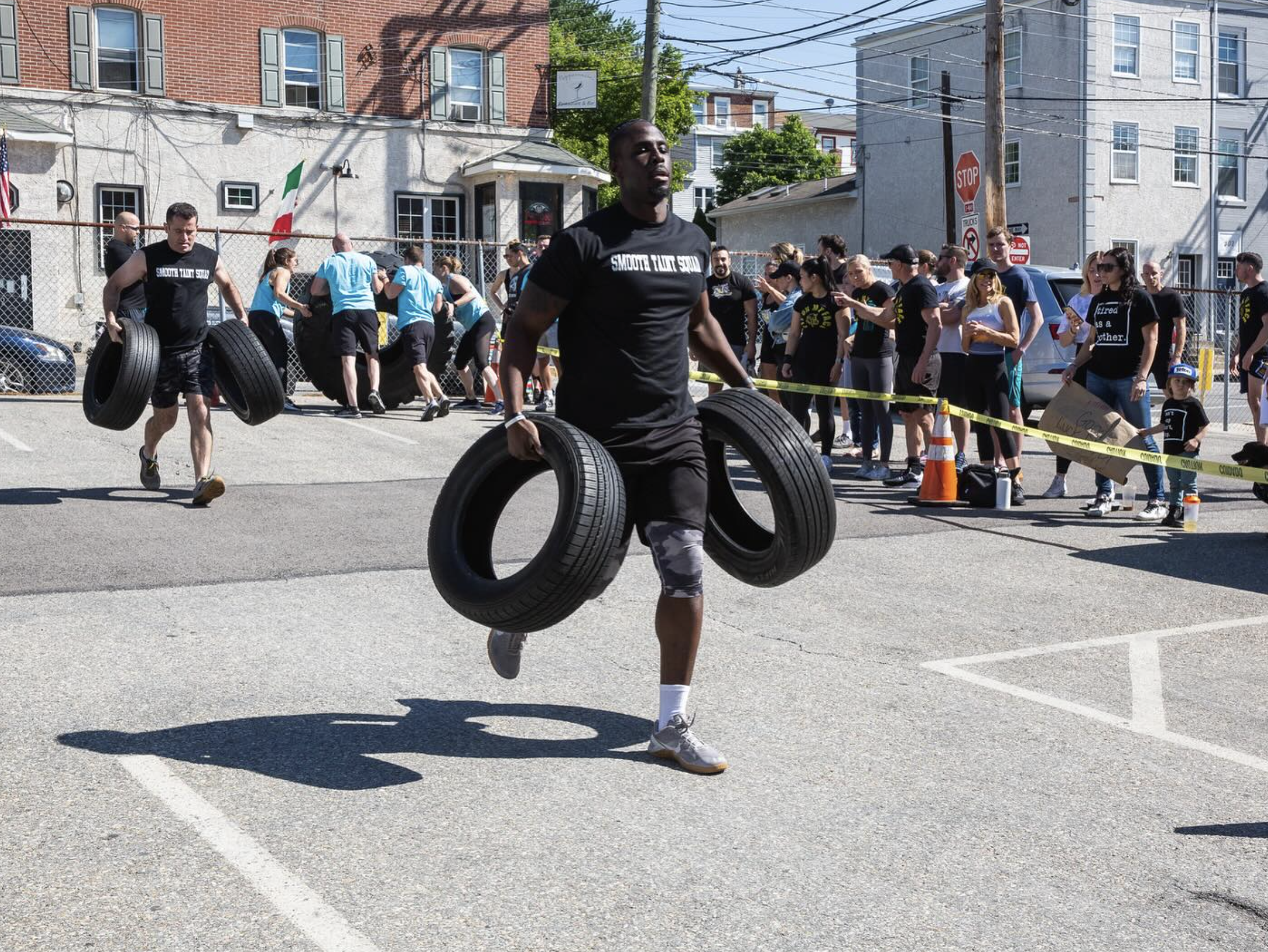
More Than Just Cardio: Why Hybrid Training Is Conshohocken’s Secret to Heart Health in 2026
Key Takeaways
- Hybrid training combines strength and cardio for superior cardiovascular benefits compared to steady-state cardio alone
- Heart rate zone training (Zone 2 for endurance base, Zone 5 for VO2 max) creates comprehensive heart adaptations when alternated strategically
- Rowing machines and kettlebells are ideal hybrid training tools that deliver full-body engagement while elevating heart rate efficiently
- Resistance training improves blood pressure, cholesterol levels, and insulin sensitivity-benefits cardiologists increasingly recognize
- A complete heart health approach includes recovery, nutrition, stress management, and community support alongside training
February means more than chilly days in Conshohocken-it’s also American Heart Month, a time when people everywhere make heart health a priority. The common solution is often hours on the treadmill or elliptical, hammering away at steady-state cardio. But here’s a secret: that’s not the only way-or even the best way-to strengthen your heart. Today, we’re exploring how hybrid training Conshohocken style can energize your workouts, support incredible cardiovascular health, and give you a fresh, exciting alternative to boring cardio routines.
Hybrid training is an approach that blends strength training with heart-pumping aerobic exercise. It challenges your body on multiple levels, leading to benefits that go far beyond what you’d expect from a singular focus on cardio alone. By the end of this article, you’ll see why combining strength exercises with intelligent bursts of cardio is a game-changer for your heart and overall fitness. Ready for a new, more powerful approach this American Heart Month? Let’s dive in.
What Is Hybrid Training (And Why Cardiologists Love It)
Hybrid training brings together two normally separate styles: strength training and cardiovascular work. Instead of focusing only on running or only on resistance training, you bridge the gap-and that dual challenge creates a powerful stimulus for your heart. In many ways, it’s the combination of intensity and variety that makes hybrid training so effective.
Recent research from organizations like the American Heart Association suggests that resistance training doesn’t just build bigger muscles-it can also improve blood pressure, cholesterol levels, and insulin sensitivity. It’s no wonder cardiologists have become fans. When you lift weights or work with resistance tools, your heart rate climbs to deliver oxygen-rich blood to your active muscles. You aren’t just building muscle fibers; you’re also conditioning your cardiovascular system in a dynamic way.
Across the country, the hybrid athlete movement has gained momentum. Individuals are mixing heavy barbells, HIIT cardio Conshy style, and functional fitness Montgomery County workouts to challenge the body’s aerobic and anaerobic systems. This approach works because it trains your heart to handle both endurance-based efforts and short bursts of intense activity. As a result, it often leads to faster progress with measurable gains in heart health, strength, and body composition. If you’re ready for a new challenge that goes beyond one-dimensional cardio sessions, hybrid training might be your heart’s best friend.
Zone 2 vs Zone 5-Understanding Heart Rate Training
Monitoring your heart rate is a great way to see if you’re pushing yourself enough for real results-or holding back too much. Wearable devices have grown popular, and for good reason: they give immediate feedback, letting you adjust your effort on the spot. At PIT Conshohocken, many of our members keep an eye on their heart rate zones for maximum impact during each workout.
- Zone 2 is the lower-intensity zone, usually around 60-70% of your maximum heart rate. Here, you reinforce your aerobic base, enhance fat burning, and strengthen your mitochondria (the “powerhouses” of cells). By steadily elevating your heart rate but not exhausting yourself, you train your cardiovascular system to be more efficient.
- Zone 5 sits at the other end of the intensity spectrum. When you push to around 90-100% of your max heart rate, you’re working on your VO2 max, which measures how effectively your body uses oxygen during intense exercise. Zone 5 intervals-often featured in American Heart Month workout programs-help your heart and lungs handle higher demands, which can elevate everyday fitness to new levels.
Hybrid training alternates between these zones by design, so your heart learns to adapt smoothly across different levels of intensity. One day, you might focus on moderate rows in Zone 2, and the next, you sprint on a rower or tackle a series of kettlebell swings to spike into Zone 5. This “flexible adaptation” has been shown to enhance overall health, promoting better peak performance and everyday stamina. By moving between these zones strategically, you aren’t stuck in one gear. Instead, you train your heart to be prepared for just about anything.
Why Rowers and Kettlebells Are the Ultimate Heart Health Tools
It’s hard to think of two more effective tools for building both strength and stamina than rowers and kettlebells. When local fitness enthusiasts in Conshohocken, King of Prussia, and Plymouth Meeting think about powerful full-body workouts, these two are often top of mind. Here’s why:
Rowing Machines
- Full-Body, Low-Impact: Rowing engages up to 86% of the muscles in your body, from your legs and core to your back and arms. Better still, it’s low-impact, meaning reduced strain on your joints.
- Scalable Intensity: Need a gentle Zone 2 session? Glide at a moderate pace to boost your aerobic base. Craving a Zone 5 challenge? Increase your strokes per minute or add short sprints to spike your heart rate fast.
- Technique-Focused: Proper rowing form encourages core strength and posture control, which contributes to daily movement efficiency.
- Group Energy: At PIT Conshohocken, rowers often appear in class circuits, helping you feed off the energy of the group while you chase that perfect stroke.
Kettlebells
- Strength + Cardio in One: Kettlebell exercises like swings, snatches, and cleans demand coordination and power, raising your heart rate and building functional strength at the same time.
- Compound Movements: Because many kettlebell movements recruit multiple muscle groups, you spend less time isolating body parts and more time dialing up your heart rate.
- Portable & Versatile: Kettlebells come in varied weights and sizes. Whether you’re a committed gym-goer or someone who likes to supplement at home, they can easily fit into your routine.
- Research-Backed Boost: Studies have shown that high-intensity kettlebell intervals can lead to significant improvements in cardiovascular fitness. Just a few sets of swings can quickly push you from a comfortable Zone 2 to a tough Zone 5 workout.
When you bring rowing machines and kettlebells together in a single workout, you create a hybrid approach that trains almost every key muscle group while challenging your heart to pump harder in less time. For those trying to find a balanced strategy to support heart health, these two tools can’t be beat.
The PIT Approach to Heart-Healthy Fitness
At PIT (prime Intensity Training) Conshohocken, we specialize in intensity-based programming designed to help you benefit from both strength and cardio at once. Our coaches have spent years crafting strategies that seamlessly alternate between aerobic intervals, resistance exercises, and functional movements. We believe this combination leads to sustainable, long-term progress-especially when it comes to heart health fitness.
Our classes combine heart-pumping conditioning with strength-building movements. You’ll experience bodyweight circuits, rower sprints, and core-focused drills that keep you in an intense-but-manageable heart rate zone. You’ll rotate between equipment stations-including kettlebells, rowers, and functional strength movements-to challenge your heart, challenge your muscles, and spark progress.
We pay special attention to individual needs. That might mean adjusting weights, adjusting time spent on a station, or offering guided rest intervals if your intensity climbs higher than recommended. Our goal is to welcome all experience levels, from brand-new beginners seeking heart-healthy exercise to seasoned athletes looking to push the boundaries of their performance. Unlike many traditional gyms that run one-size-fits-all cardio classes, our approach is partly scientific, partly personal, and fully invested in your health.
(To see our class schedule and membership options, visit our website.)
Beyond the Workout-Lifestyle Factors for Heart Health
Training is a huge piece of the puzzle when it comes to heart health, but it’s not the entire picture. Real cardiovascular longevity stems from a broad lifestyle approach:
- Recovery and Sleep: Adequate rest gives your heart and muscles time to recuperate. Poor sleep can raise stress hormones, which can negatively affect heart health. Make it a priority to get 7-8 hours of quality sleep each night.
- Nutrition: Fueling your body with balanced meals helps stabilize blood pressure and keeps cholesterol in check. Focus on proteins, whole grains, fruits, and vegetables to support recovery and reduce cardiovascular risk factors.
- Stress Management: Exercise is one of the best ways to relieve stress and support mental well-being. Techniques like yoga, meditation, or simply walking can further reduce tension on your heart.
- Community Support: Being around others with similar goals can keep you motivated and accountable. Our community at PIT Conshohocken is all about mutual encouragement and group success.
So many factors contribute to heart health. That’s why we think of our gym as a thriving ecosystem. You’ll find more than workouts here-you’ll find real-life coaching, educational resources, and the energizing factor of group classes. If you’d like to see who’s behind the scenes, check out our About Our Coaches page and learn how we bring expertise to every session.
Take the First Step This Heart Month
It’s officially American Heart Month, which means this is the best time to explore a new, heart-focused approach. Our team at PIT Conshohocken is ready to help you feel the difference hybrid training makes in your cardiovascular endurance, strength, and energy levels.
When you visit, you’ll step into a supportive environment ready to help you succeed. During your first session, you’ll experience our hybrid training classes, get to know our friendly coaches, and see how we monitor intensity for each individual. If you’ve only ever associated “heart health” with monotonous treadmill jogging, we can’t wait to show you a more engaging, well-rounded path.
Ready to take that next step? Visit PIT Conshohocken and discover a fresh approach to fitness that builds real endurance, sculpts lean muscle, and keeps your heart working at its best.
(If you’re looking for more heart-healthy tips or success stories, explore our other fitness blog posts to see how members across Montgomery County have transformed their lives.)
Frequently Asked Questions
Why is hybrid training better for heart health than just doing cardio?
Hybrid training challenges your cardiovascular system through both sustained aerobic work and the elevated heart rate demands of resistance training. Research shows strength training independently improves blood pressure, cholesterol, and insulin sensitivity. Combined with cardio intervals, you train your heart to adapt across different intensity levels.
What are heart rate zones and why do they matter?
Heart rate zones represent exercise intensities based on percentages of your max heart rate. Zone 2 (60-70%) builds aerobic base, while Zone 5 (90-100%) improves VO2 max. Hybrid training moves between these zones, teaching your heart to adapt to varying demands.
I’m new to exercise. Is hybrid training safe for beginners?
Yes, when properly coached. Our coaches scale workouts to individual fitness levels – beginners use lighter weights, slower paces, or longer rest intervals while still benefiting from the hybrid approach.
How often should I do hybrid training for heart health benefits?
Research suggests 3-4 sessions per week provides optimal cardiovascular benefits. We recommend starting with 2-3 classes weekly and building from there based on your body’s response.
What equipment do I need for hybrid training at home?
Kettlebells are excellent for home hybrid workouts. A single kettlebell allows swings, cleans, presses, and rows – all heart-rate-spiking movements. Pair with bodyweight exercises for effective sessions anywhere.Visit PIT Conshohocken this American Heart Month and discover why hybrid training is the smarter path to a stronger heart.