
Strength Training for Lifelong Vitality
Strength training does more than simply build muscle. When carefully integrated, it becomes a powerful factor in extending your healthspan and enhancing overall well-being. Whether you are new to fitness or have years of experience, resistance exercises offer proven advantages. According to Harvard Health, regular use of progressive overload techniques can even strengthen not only muscles but also maintain flexibility and joint functionality. In Ambler, where people of all ages come together for community-based fitness, progressive resistance training has emerged as a core strategy for living a vibrant and healthy life
This guide explores specific gains of strength training for every age group. Each stage of life presents unique opportunities and potential challenges, yet the principles of safe progression and consistency bind them all together. The practice of resistance training, whether with free weights, machines, or bodyweight, becomes a lifelong method for feeling strong, confident, and prepared
Ready to start your journey to lifelong strength and vitality? Join PIT Ambler and discover how age-appropriate resistance training can transform your health at any stage of life.
Building a Base in Adolescence and Early Adulthood
Young people often think of strength training as a way to boost athletic performance or achieve a certain physique. Yet the benefits extend far beyond sports or aesthetics. By laying a solid foundation during high school or college years, individuals also build better postural awareness, metabolic health, and joint stability
Short sessions with relatively low weight and higher repetitions create consistent muscle adaptation. Youthful enthusiasm for exercise can morph into a sustained habit when guided by knowledgeable trainers or coaches. At PIT Ambler, young adults often find that scheduled workouts with friends foster accountability while teaching them proper form. These initial fundamentals help protect against injury later. Over time, structured resistance training can elevate mood, improve focus, and contribute to a relaxed yet energized sense of daily living
Building Balance and Coordination
- Focus on core exercises such as planks, squats, and lunges for strength and stability
- Integrate dynamic movements like box jumps or kettlebell swings (as fitness level allows) for developing coordination
- Use micro-progressions: a slight increase in weight or complexity keeps the workout fresh without overwhelming growing bodies
For teenagers, correct form is crucial, particularly when introducing free weights. Simple, well-supervised resistance sessions can be the ticket to fostering lifelong confidence. And by rotating different training modalities, like bodyweight circuits, light dumbbells, and sports drills, youth keep their muscles guessing while experimenting with healthy exercise habits
Resilience for Middle Age
During our middle years, the rigors of work and family life can sometimes push fitness down the priority list. However, subtle changes in metabolism and muscle mass begin as early as our 30s. Maintaining an active strength training routine counters these trends by helping preserve lean mass, bone density, and hormone balance
One of the silent challenges in midlife is sarcopenia, the natural loss of muscle tissue that can complicate movement over time. Even moderate, twice-weekly resistance workouts, complemented by a balanced diet, slow down this process. These sessions support cardiovascular health, too, by reducing stress levels. People in this age range often appreciate that consistent training can improve mood and lower the risk of chronic conditions, keeping everyday tasks and recreational activities more enjoyable
Efficient Routines for Busy Lifestyles
- Combine full-body movements, such as squats, push-ups, and rows, for maximum efficiency during limited workout windows
- Gradually incorporate heavier loads to challenge and preserve muscle mass
- Add time-based intervals or circuit workouts that fit into a busy schedule
Midlife often means juggling responsibilities, from raising kids to managing careers. In Ambler, you might see neighbors in their 40s or 50s heading into PIT Ambler for a 30-minute lunchtime circuit. Others may drop by for small-group personal training, using time-savvy splits to cover all major muscle groups. A sense of camaraderie helps keep everyone motivated and engaged
Continued Vitality for Older Adults
Some people mistakenly believe that strength training is only beneficial for younger individuals. In truth, it becomes increasingly essential as the decades pass. The Centers for Disease Control and Prevention recommends at least two days per week of muscle-strengthening activities for older adults. Doing so not only maintains functional strength but also supports bone density, balance, and mobility. Even moderate forms of resistance exercise, like gentle bodyweight routines or exercises with resistance bands, offer meaningful advantages
Key Benefits in Later Life
- Better balance reduces the likelihood of falls, a major concern for older adults
- Enhanced bone density supports healthy posture while minimizing fracture risks
- Maintained agility enables freedom of movement for everyday tasks and hobbies
- Vital muscle mass supports metabolic function and joint stability
At PIT Ambler, it is not unusual to see participants in their 70s and beyond engaging in scaled variations of the same workouts younger clients do, adapted safely to individual needs. The results over time are often dramatic: improved endurance for daily tasks, greater confidence in movement, and reduced joint discomfort. From the vantage point of overall wellness, strength training helps older adults remain independent, extending both the length and quality of life
Progressive Overload for Everyone
Regardless of age, the human body adapts to increasing demands through progressive overload. This principle involves a careful, stepwise increase in training stimulus, such as weight, volume, or intensity. By gradually challenging your body, you trigger muscle and connective tissue growth while minimizing the risk of injury. The process works across all age ranges:
- Start with light or moderate loads to refine technique
- Increase the weight or resistance in small increments as you gain strength
- Focus on controlled repetitions to foster balance, stability, and solid muscle activation
One helpful approach is to track key metrics over time. For instance, note how many repetitions you can perform at a certain weight. If you can do more than your target repetition range with relative ease, it may be time to add a small increase. Bodyweight exercises follow the same principle, once push-ups or squats become less challenging, modify them to raise the difficulty, such as doing elevated feet push-ups or single-leg squats if appropriate
Keeping It Safe
Warm up with gentle dynamic movements to lubricate joints and increase blood flow
- Identify a manageable repetition range (generally 8–15 reps) to ensure technique remains strong
- Work with qualified professionals, especially if you have underlying health conditions
- Allow ample recovery time, recognizing that older adults may benefit from slightly longer rest periods
By emphasizing safe progression, you empower yourself or loved ones to keep improving without hitting a plateau or risking injury. Strength training is a long-term journey, where consistent effort pays significant dividends
The Role of Community Support
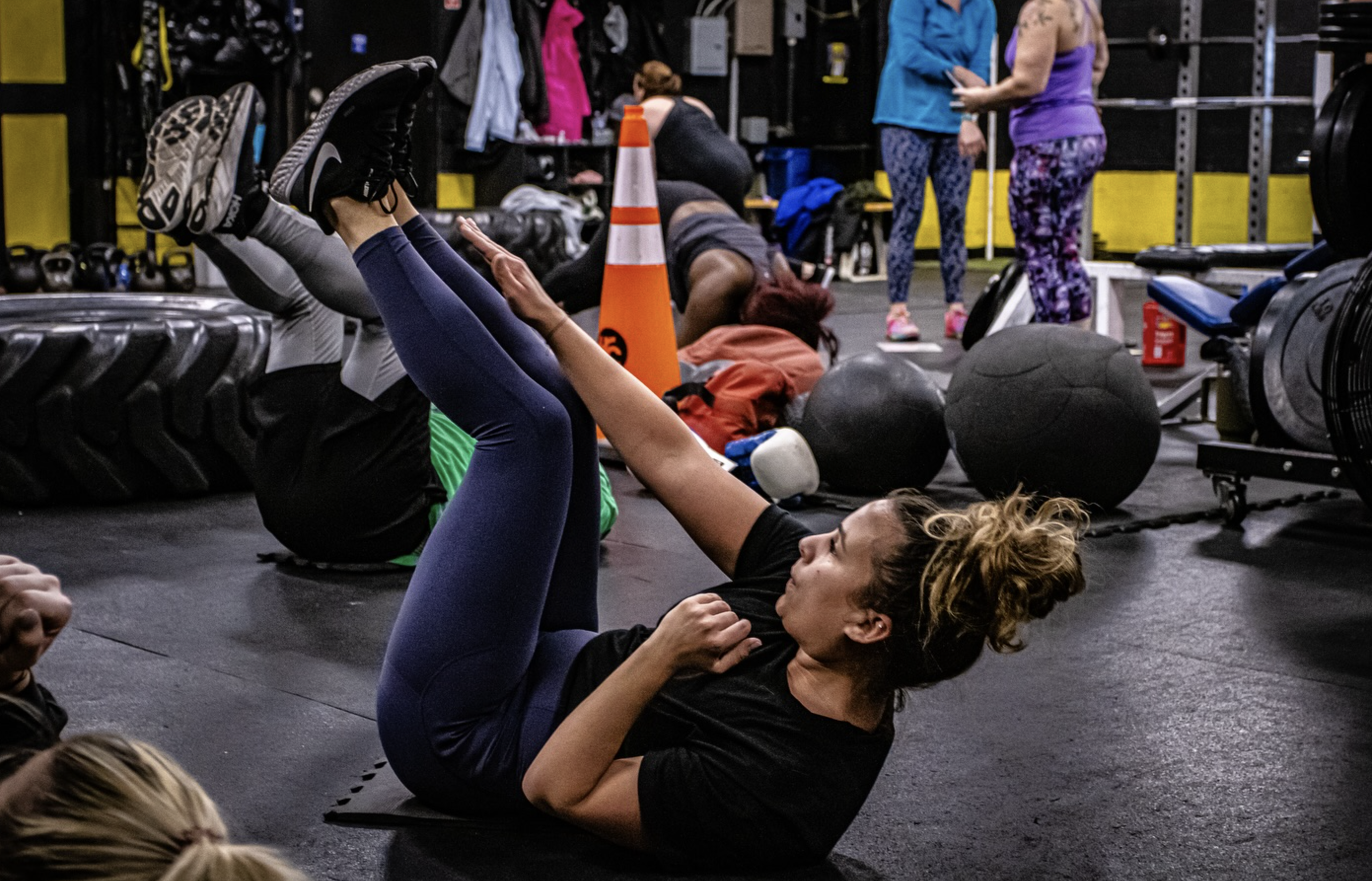
Exercising in a supportive environment can amplify the rewards of a strength training routine. People often thrive when surrounded by others who share similar goals and face similar challenges. PIT Ambler’s community exemplifies how a range of ages and backgrounds can benefit from coming together. A sense of mutual respect and understanding allows for flexible modifications and real celebrations of progress
Ambler’s Diverse Age Demographic
- Younger adults learn advanced techniques from experienced trainers and older members
- Middle-aged clients find time-efficient workouts that fit into complex schedules
- Seniors benefit from tailored programming in small, friendly groups
- Everyone appreciates the steady reinforcement of consistent coaching and peer encouragement
The local success stories are many: older athletes who never lifted weights until retirement but now outlast their peers on brisk walks, or mid-career professionals who start training to reduce stress and discover new reserves of energy. According to the American College of Sports Medicine, intergenerational fitness programs show enhanced motivation and adherence. Others find that the synergy of group classes or partner workouts makes it easier to stay motivated. Watching a wide sweep of ages engage in the same foundational lifts can be both encouraging and uplifting
Mindset and Motivation
Strength training can have a ripple effect on mental and emotional well-being. Alongside physical changes, like improved muscle tone and endurance, people often find they develop a renewed sense of purpose, resilience, and optimism. The act of progressively overloading your muscles indicates your capacity for growth in other areas of life. Achievements in the gym, no matter how small, reinforce the belief that you can meet challenges and adapt
Overcoming Common Hurdles
- Fear of injury: Start slowly and build gradually, prioritizing technique over heavy loads
- Time constraints: Short, targeted workouts can produce meaningful results, particularly when combined with good nutrition and rest
- Plateaus: Introduce variety, such as supersets or new exercises, to keep the body adapting
- Lack of confidence: Community support, coaching, and realistic goal-setting help you realize your potential
Occasional setbacks, like minor aches or feeling unmotivated, are natural. Being part of an encouraging group and having access to professional trainers can turn these hurdles into opportunities. In Ambler, for instance, you might see a returning participant celebrating regaining their squat depth after a knee injury or an older adult adding balance work to reconnect with functional movement patterns
Nutrition and Lifestyle Integration
Strength training resembles a chain reaction in the body. Your muscles respond to resistance by repairing and strengthening themselves, but this process hinges on holistic factors like diet, sleep, and stress management. A well-rounded approach ensures that your training sessions lead to optimal adaptations
Essentials for Lifelong Health
- Consume adequate protein sources, beans, lean meats, fish, to support muscle repair
- Stay hydrated to maintain blood volume and joint lubrication
- Get enough sleep, aiming for 7–9 hours depending on personal needs
- Combine resistance training with regular walks or low-impact cardio to keep your heart healthy
No single exercise or diet tactic works for all individuals, which is why professional guidance is so valuable. At PIT Ambler, trainers are accustomed to balancing each client’s schedule, goals, and limitations, offering a spectrum of strength-based solutions. With consistent adherence, your results can be transformative, whether you are 20 or 70.
Longevity and Quality of Life
Living longer is most beneficial when accompanied by sustained health and functional independence. Resistance training helps ensure that as you age, you maintain the ability to do the activities you enjoy, gardening, playing with grandchildren, or traveling without worrying about fatigue or aches. Many who embrace a strength-building routine in midlife or later report better emotional well-being, fewer doctor visits, and a renewed sense of engagement in daily tasks
Extending Healthspan
- Preserving bone density lowers the risk of osteoporosis and fractures
- Maintaining muscle mass supports metabolism and gives you energy throughout the day
- Stronger muscles stabilize the spine, hips, and knees, assisting with posture and reducing chronic pain
- Ongoing strength gains correlate with lower risks for ailments such as type 2 diabetes
These long-term results often feel intangible at first. However, over months and years, consistent training leads to tangible improvements. The gentle accumulation of small wins, another five pounds on a bench press, another rep of a bodyweight squat, another comfortable mile walked, soon becomes a fundamental source of satisfaction.
Real Success Stories in Ambler
People who train at PIT Ambler represent all walks of life. Members of all ages discover the transformative power of progressive resistance training. Older adults often begin with basic bodyweight exercises and graduate to more challenging movements, gaining the confidence to enjoy active pursuits with family. Busy parents find that small group classes provide effective progress with efficient half-hour training sessions twice a week
Younger adults often come in to improve sports performance and discover additional benefits, such as better concentration and fewer aches from prolonged sitting. Middle-aged professionals develop effective stress management strategies by weaving short workouts into their routine, enabling them to return to work with clearer thinking and more energy. The intangible bonding that occurs among ages fosters meaningful connections within PIT’s Ambler community
Integrating Strength Into Your Routine
Resistance workouts need not be complicated to deliver a lasting impact. Simple, time-tested exercises, like squats, lunges, push-ups, and rows, form the bedrock for total-body strength at any age. Progression is infinite if you alter variables such as load, range of motion, or repetition speed. Complement these strategies with core stabilization routines or stretching to round out a balanced fitness plan
Considerations
- Start where you feel comfortable, even if that means partial-range movements at first
- Keep track of small improvements in weight or repetitions
- Learn proper form with a qualified coach to avoid injuries and maximize gains
- Vary your workouts occasionally, introducing new exercises or training methods to keep muscles adapting
This incremental approach reduces the risk of overtraining. It also keeps you attuned to the signals your body sends, encouraging a mindful and deliberate practice. Especially for older adults, focusing on quality of movement over quantity of weight is key
Strength as a Lifelong Ally
In every phase of life, the body and mind reap extraordinary rewards from structured and progressive strength training. Whether it’s a preliminary step to improve daily functional capacity or a method to push athletic boundaries, resistance exercises remain central to longevity. Age need not be a barrier, but rather a lens through which to tailor training to current capabilities and future goals. The dynamic environment at PIT Ambler shows that when a community embraces the value of strength, everyone can take strides toward better health together
Engaging in regular strength training can transform how you view both exercise and aging. Building muscle resilience at any stage of life fosters confidence, independence, and a legacy of health. PIT’s Ambler community offers inspiring models of this approach, with individuals turning simple sessions into vibrant lifestyles
Transform your approach to aging with strength training that adapts to your life stage. Visit PIT Ambler today and discover how our age-appropriate programs can help you build lasting vitality and confidence.
Over time, you begin to realize that each carefully executed squat or press is an investment in your future vitality, an investment that continues to grow, one rep at a time.