
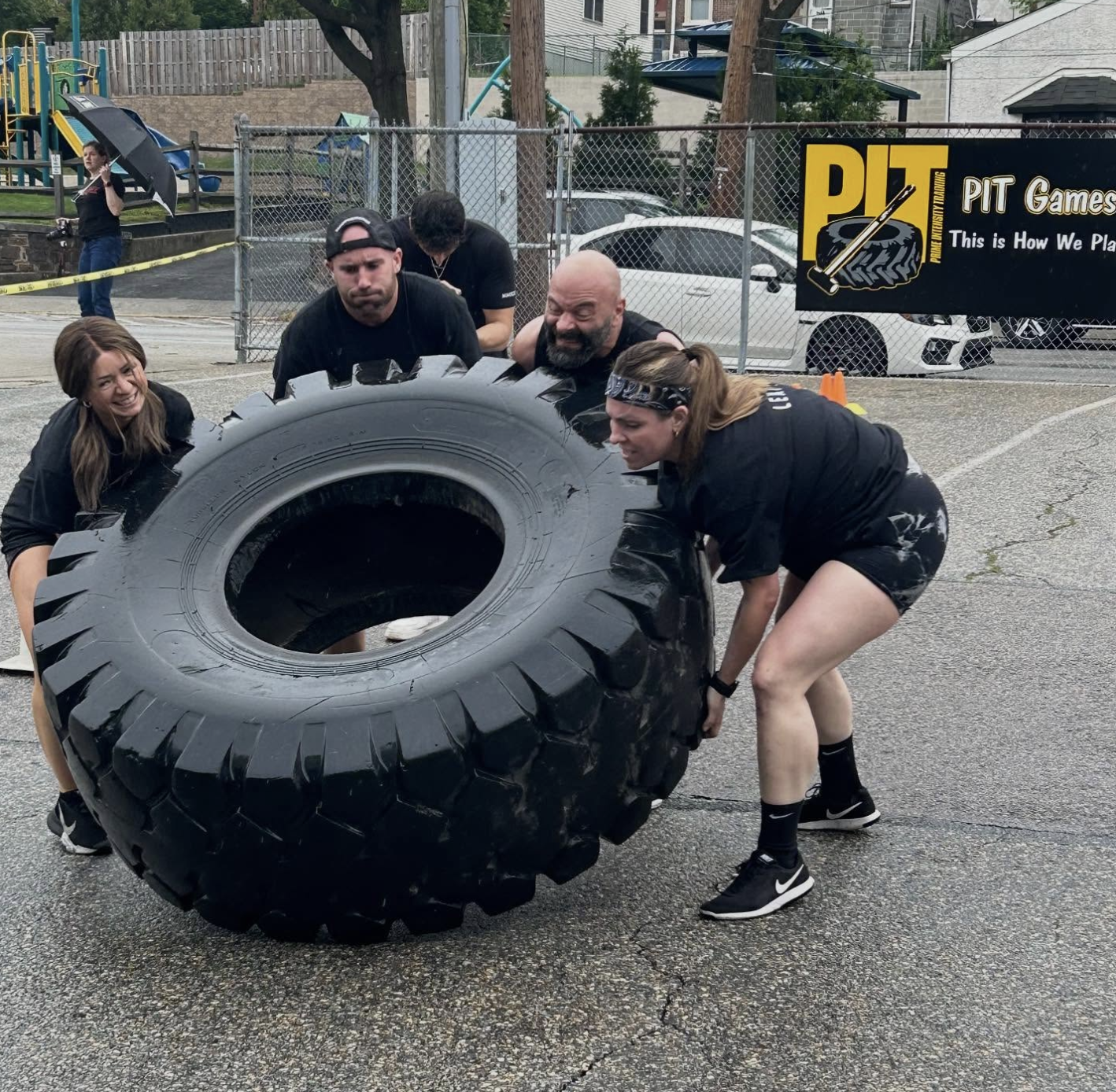
Core Strength Training in Conshohocken: Building Foundation for Active Fall Season
Starting a new season often reminds us of fresh goals and renewed motivation. Fall in Conshohocken is especially energizing, cooler breezes and vibrant foliage encourage long walks, scenic runs, and weekend hikes. Each of these activities demands a stable and powerful core. At PIT Fitness, we emphasize core training not merely for aesthetic reasons but for the role it plays in functional strength, balance, and resilience. A strong core supports every movement we make, from lifting groceries to jogging through the crisp autumn air.
Below, discover why core strength is pivotal for your overall fitness, how it boosts daily activity, and how PIT Fitness in Conshohocken integrates progressive core training approaches to ensure stable results for the long haul.
Introduction Core Strength as Fitness Foundation
The term “core” often gets simplified to “abs,” but there’s more to it than six-pack aesthetics. The core involves the entire trunk, the deep musculature around the spine, the diaphragm, the pelvic floor, and all the layers that provide stability. Envision your core as a sturdy pillar, transferring force and protecting the spine against excessive strain. When the foundation is robust, the rest of the body works more efficiently.
Often, individuals focus on building bigger arms or stronger legs. Yet if the midsection lacks stability, it’s like trying to build a house on shaky ground. This is why core strength training remains a foundational pillar of PIT Fitness’s programming. Particularly during the fall, when folks steadily increase outdoor activities and look ahead to winter sports, a stable trunk can help prevent injuries and boost overall performance.
Understanding True Core Function Beyond Six-Pack Abs
While a defined midsection can be visually appealing, functional core strength involves deeper musculature that goes far beneath the surface. These muscles stabilize the spine and pelvis, allowing smooth, controlled movement in daily tasks and recreational sports. They also help maintain proper posture, even when we’re simply sitting for extended periods at home or at work.
True core function extends beyond looks: • It allows you to move your limbs freely and efficiently.
• It keeps your spine in a safe position under load.
• It transfers power seamlessly from the ground up, vital for running, swinging, or lifting.
In other words, a healthy, dynamic core isn’t defined only by muscle definition. Instead, it’s about whether you can activate deep core muscles to stabilize and support your body under different conditions. This concept especially matters when heading into cooler months, where we may bundle up more or move differently on slippery leaves and sidewalks, requiring extra trunk control.
Core Stability vs Core Movement
Effective core training can be split into two broad categories: core stability and core movement.
• Core Stability: Involves exercises that resist unwanted movement, commonly presented as anti-rotation, anti-extension, or anti-lateral flexion. Think of holding a plank with impeccable form, a Pallof press that resists twisting, or resisting side-bending forces from a single-sided load. Mastering stability ensures protection against excessive strain on the spine, a key priority in our programming at PIT.
• Core Movement: Includes exercises such as leg raises, crunch variations, and dynamic rotational drills, motions that require the trunk to flex, extend, bend, or twist. Structured properly, people can build strength and flexibility in all planes of motion.
Balancing both stability and controlled movement fosters a well-rounded, athletic core. It mirrors the demands of real life, where you might pivot to catch a falling object or brace yourself when slipping on wet leaves. By training in these ranges, you become more adaptable, prepared, and less prone to strain.
Functional Core Exercises at PIT
At PIT Fitness in Conshohocken, our approach to core training is comprehensive. We emphasize functional exercises that challenge every aspect of trunk stability and control. Below are a few key movements you’ll see in our daily programming:
- Plank Variations: Traditional forearm and high planks, but also dynamic progressions like plank hand taps or plank step-outs. This builds anti-extension strength and teaches you to stabilize the midsection under shifting loads.
- Pallof Press: Performed with a band or cable, this anti-rotation exercise challenges the deep core muscles to keep the trunk neutral. Perfect for developing bracing techniques that carry over into lifting and sports.
- Carries (Suitcase, Farmer’s, Overhead): Walking while holding weights on one or both sides. These might seem straightforward, but they demand a stable trunk. You fight the urge to lean or twist, strengthening lateral stability and posture.
- Dead Bug: An accessible way to learn anti-extension stability. By extending opposite arm and leg while maintaining a neutral spine, you reinforce control of the core, protecting the lower back.
- Medicine Ball Rotational Throws: A dynamic way to accept and generate force through the trunk. This improves overall performance in activities that blend power and rotation, think tossing a football or swinging a golf club.
By featuring these exercises, we tap into the real-world applications of a robust core. Whether you’re lugging lawn bags or prepping for winter sports, functional exercises at PIT train your body to handle the unexpected.
Core Strength for Injury Prevention
Fall is a season packed with movement, picking pumpkins, raking leaves, hitting the trails. Without a reliable core, repetitive tasks or sudden twists can overstrain weaker areas, spelling trouble for the back or hips. According to research from the American Council on Exercise, trunk stability is critical for preventing pain, particularly in the lower back, which is often the first area to be compromised by poor bracing.
The risk of injury only increases when winter arrives, especially if you’re shoveling snow or dodging icy patches on sidewalks. A strong midsection helps maintain balance and control, making you less likely to make quick, awkward movements that tweaked your back in the past. PIT Fitness programs incorporate progressive overload principles and careful coaching cues, ensuring you strengthen your core safely and effectively.
Progressive Core Training Approaches
Effective core strength is built through layered progression, adjusting challenges as you grow stronger. PIT’s programs:
• Begin with foundational stabilization drills such as planks and glute bridges. These teach the basics of proper alignment, think neutral spine, stable hips, active glutes.
• Progress to controlled movement patterns that require anti-rotation or anti-extension under light loads. For example, a light Pallof press with perfect positioning fosters a stable trunk.
• Introduce additional challenges like single-legged stances, heavier carries, or offset loads. This deepens your capacity for bracing and improves athletic coordination.
Progress isn’t just adding more weight or time in a position, it’s also about refining form. When you move from a basic plank to a plank with a single-arm row, you’re bridging the gap from static stability to dynamic challenge. This method ensures we don’t overload the spine with advanced variations prematurely. As you become more comfortable, your capacity for real-world movement expands without frustration or plateau.
Integrating Core Work Into Full-Body Programming
In many gyms, core work is an afterthought, tacked on at the end of a workout. At PIT Fitness, core development is woven into every session for a holistic, well-rounded approach:
• Warm-Ups: Light activation drills set the tone. Bridges, bird dogs, and dead bugs “wake up” your trunk and stabilize the spine for the workout.
• Main Strength Movements: Squats, deadlifts, and overhead presses all require core engagement. Proper technique in these lifts demands bracing the trunk, building core strength naturally.
• Accessory Work: Depending on the programming, you’ll see movements like farmer’s carries, plank variations, and Pallof presses as part of accessory blocks. This ensures that no matter your fitness goal, fat loss, muscle gain, improved sports performance, you consistently train the core.
• Conditioning: Circuit-style, high-intensity intervals might include short burst core movements alongside cardio. This keeps the trunk actively engaged even when your heart rate is high, reinforcing endurance in your midsection.
By integrating core training across the entire workout experience, you develop real-world readiness. You’re not just strong in an isolated exercise, you can maintain stability and good posture throughout complex movements that reflect life outside the gym.
Core Training for Daily Life and Athletic Performance
Better posture, improved stability, and ease of motion don’t just matter for athletes. They benefit everyone. Here’s how a robust core can upgrade daily life and sports:
• Everyday Tasks: Carrying groceries, walking a rambunctious dog, hauling laundry baskets, these all revolve around bracing and protecting your spine against sudden shifts in weight.
• Leisure Activities: Conshohocken’s scenic trails and lively parks are more enjoyable when your core is strong enough to handle minor elevation changes or uneven terrain. Cycling along the Schuylkill River means you can maintain a stable torso, reducing neck and lower back stress.
• Athletic Performance: From local recreational leagues to preparing for half-marathons, a powerful trunk converts to better endurance, agility, and force transfer. When your core is strong, your body cooperates more effectively, minimizing energy leaks that slow you down.
During the fall, many local residents gear up for Turkey Trot races or tune up for winter sports like skiing and snowboarding. In both cases, a stable trunk ensures smoother motion and reduced risk of muscle strain.
Conclusion Building Unshakeable Core Strength at PIT
Autumn is a season of transformation. As the leaves change color, our bodies can adapt to new demands with renewed focus on core strength. By understanding the difference between core stability and movement, practicing functional exercises, and following progressive training methods, you create a foundation that supports everything else in your active life.
PIT Fitness in Conshohocken offers a welcoming community atmosphere where dedicated coaches help tailor core training to your needs. Each phase of the workout, warming up, strength work, and accessory movements, reinforces the value of a strong trunk. Over time, you’ll notice better posture, fewer aches, and greater confidence, whether you’re strolling downtown or heading to a nearby trail.
If you’re ready to fully embrace the season and gain sustainable strength, there’s no better moment to start. A stable core isn’t just about looking good in a mirror––it’s about being fully present in every activity, with the freedom to move confidently. Embrace the energy of fall and discover how unshakeable core strength can elevate every aspect of your life, all while training under experienced guidance at PIT Fitness in Conshohocken.For more tips on functional fitness and injury prevention, explore reputable sources like the Mayo Clinic’s Guide to Core Exercises or consult a professional trainer at PIT. By pairing sound resources with practical hands-on sessions, you ensure that your core becomes the bedrock of a vibrant, active lifestyle, this season and beyond.