
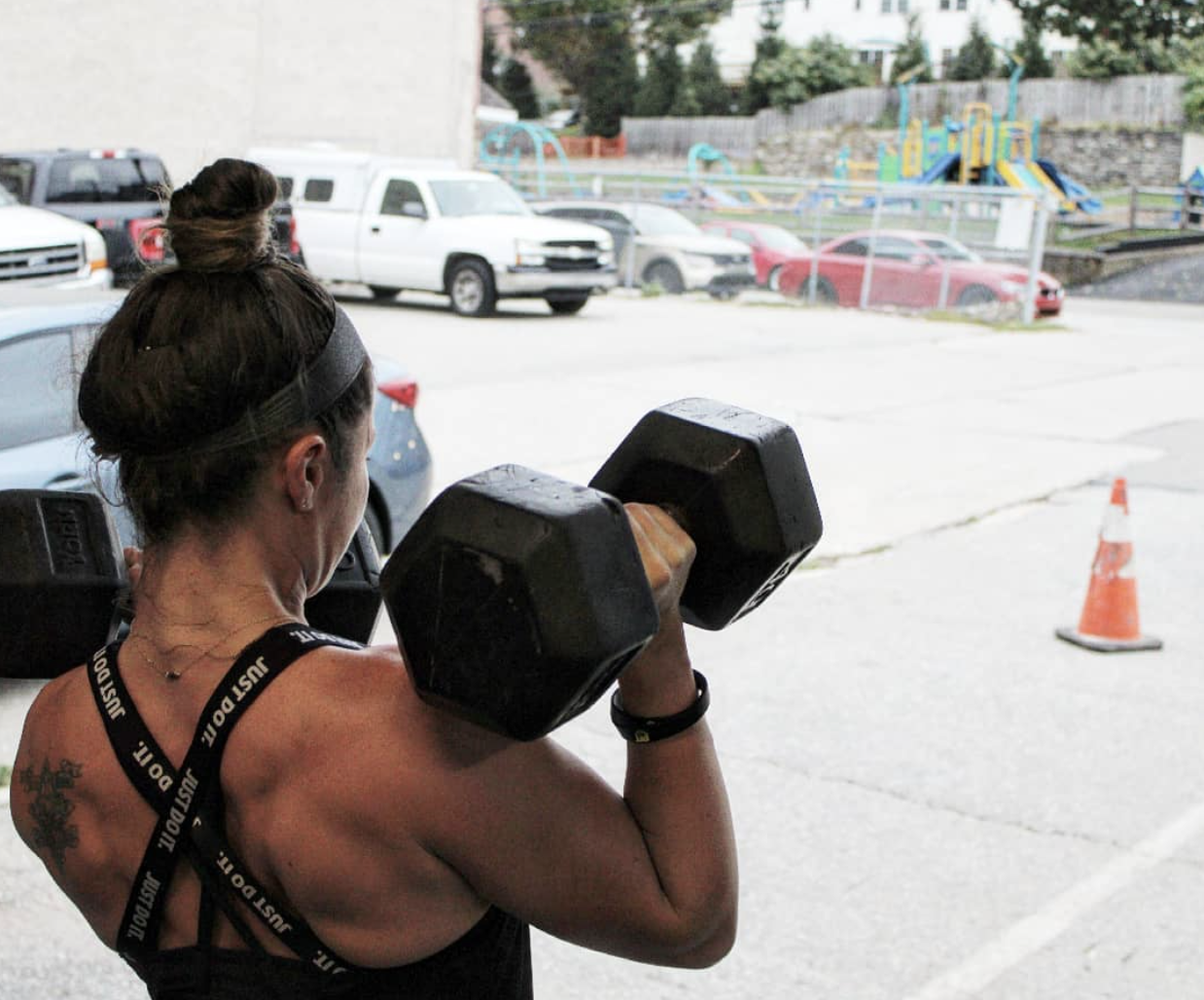
As the temperature cools and the leaves turn, fall presents a perfect opportunity to switch up your fitness routine. One of the best ways to stay active, challenge your body, and take advantage of the season’s beauty is through trail running combined with bodyweight exercises. This workout pairs the high-intensity, functional training approach of Prime Intensity Training (PIT) with the crisp air and colorful landscapes of autumn.
This guide will walk you through everything you need to know to get started, from why trail running is ideal for fall, to how to integrate bodyweight exercises for a full-body workout. Whether you’re a seasoned gym-goer or looking to add variety to your fitness regimen, this workout will keep you fit and motivated throughout the season.
Why Trail Running is the Perfect Fall Workout
When it comes to fall workouts, trail running is a favorite for good reason. The cooler temperatures make it easier to run without overheating, while the changing colors of the trees create a stunning backdrop for your workout. Unlike the monotony of running on a treadmill or pavement, trail running offers varied terrain that keeps your body and mind engaged.
What makes trail running especially beneficial is the way it engages your entire body. The uneven terrain forces your core and stabilizing muscles—like your glutes and ankles—to work harder. Every root, rock, or incline you encounter is a challenge that keeps you mentally focused and physically engaged, providing a functional workout that mimics real-life movements.
At Prime Intensity Training, we emphasize functional fitness, and trail running is a natural extension of that philosophy. It strengthens the muscles you use in everyday activities, improves balance, and enhances endurance.
The Benefits of Trail Running in Fall
- Improved Balance and Coordination: The uneven surfaces of a trail require more effort from your stabilizing muscles. Your core, hips, and legs have to work together to keep you upright, which improves your balance and coordination over time. This is crucial for any type of functional fitness and helps reduce the risk of injury in your daily life.
- Increased Mental Focus: Trail running demands your attention. You have to stay alert to navigate rocks, tree roots, and inclines. This heightened focus can make your runs more mentally engaging and enjoyable. Plus, it can serve as a form of meditation, allowing you to disconnect from daily stress and immerse yourself in nature.
- Strengthens the Entire Body: The varied terrain works your legs, core, and even upper body as you adjust your posture and arm movement to navigate obstacles. Unlike running on a treadmill, which primarily targets your lower body, trail running offers a more holistic workout.
- Burns More Calories: Because your body is constantly adapting to the changing terrain, you burn more calories on a trail run than you would on a flat surface. This makes trail running a great choice for anyone looking to shed fat while improving endurance and strength.
How to Get Started with Fall Trail Running
Before you dive into your trail running and bodyweight workout, it’s important to set yourself up for success. Fall weather can be unpredictable, and the terrain can present challenges you won’t find on flat surfaces. Follow these tips to ensure a safe, comfortable, and effective workout.
- Dress in Layers
Fall weather often means chilly mornings that warm up as the day goes on. Wearing layers allows you to adapt as your body heats up during your run. Start with a moisture-wicking base layer to keep sweat off your skin, and top it with a light jacket or vest that you can easily remove if needed. Opt for lightweight, breathable fabrics that won’t restrict your movement. - Wear Trail-Specific Shoes
Trail running requires shoes with strong traction and ankle support to handle the uneven terrain. Look for shoes with a grippy sole and reinforced uppers to protect your feet from rocks and roots. A pair designed specifically for trail running will provide better stability and comfort. - Warm-Up Thoroughly
A proper warm-up is essential to prevent injury, especially when running on trails. Begin with a brisk walk or light jog for 5–10 minutes, followed by dynamic stretches like lunges, leg swings, and arm circles. This will increase blood flow to your muscles and prepare your body for the demands of trail running. - Start Slow and Build Up
If you’re new to trail running, don’t try to conquer the toughest trails on your first run. Begin with an easier trail that has minimal elevation changes and obstacles. As your confidence and fitness level increase, you can tackle more challenging terrain.
Trail Running Technique: Staying Safe and Efficient
While trail running offers a unique set of challenges, mastering your technique can help you stay safe and efficient. Here are a few key tips to keep in mind as you navigate the trails:
- Keep Your Stride Short
On uneven terrain, it’s best to shorten your stride. Taking quicker, shorter steps gives you more control and balance, reducing your chances of tripping or twisting an ankle. - Watch the Ground Ahead
Keep your eyes on the trail a few steps ahead of where you’re running. This allows you to spot obstacles like rocks, roots, and holes in advance, giving you time to adjust your footing. - Use Your Arms for Balance
Let your arms swing naturally as you run, and use them to help maintain balance when navigating turns or uneven surfaces. On steep inclines, you can even use your arms to help propel yourself forward by pushing off your legs. - Engage Your Core
Your core is key to staying upright and balanced on uneven terrain. Keep your core engaged throughout your run to help stabilize your body as you navigate the twists and turns of the trail.
Combining Bodyweight Exercises for a Full-Body Workout
One of the best ways to elevate your trail run is by adding in bodyweight exercises. Not only does this increase the intensity of your workout, but it also targets muscles that running alone might miss. By incorporating bodyweight movements at intervals along the trail, you can turn your run into a full-body strength and cardio workout.
Here are a few exercises to incorporate into your trail run:
- Squats: Every 5–10 minutes, pause your run and do a set of 20 squats. Squats target your quads, glutes, and hamstrings, helping you build lower-body strength to power through your run.
- Push-Ups: Find a bench, rock, or flat surface to do 15–20 push-ups. This works your chest, shoulders, and triceps, adding upper-body strength to your workout.
- Walking Lunges: After running for 10 minutes, stop and perform walking lunges for 30 meters. This exercise helps improve your balance and targets your quads, hamstrings, and glutes, which are essential for running uphill.
- Planks: Find a sturdy spot to hold a plank for 30–60 seconds. Planks engage your core, which is crucial for stabilizing your body on uneven terrain.
- Step-Ups: Use a bench, rock, or any stable elevated surface to do step-ups. This exercise mimics the action of climbing hills and helps build leg strength.
By adding these exercises to your trail run, you’re not only getting an excellent cardio workout but also building strength in your legs, core, and upper body.
Sample Trail Run + Bodyweight Workout Routine
Here’s an example of how you can combine trail running and bodyweight exercises into a single workout:
- Warm-Up: Start with a 5-minute brisk walk or light jog to get your muscles warmed up.
- Run: Run for 5–10 minutes at a comfortable pace.
- Squats: Stop and do 20 bodyweight squats.
- Run: Continue running for another 5–10 minutes.
- Push-Ups: Drop down and do 15–20 push-ups.
- Run: Run for 5–10 minutes.
- Walking Lunges: Perform walking lunges for 30 meters.
- Run: Continue running for another 5–10 minutes.
- Planks: Stop and hold a plank for 30–60 seconds.
- Cool-Down: Finish with a light jog or walk for 5–10 minutes, followed by static stretches.
This routine gives you a full-body workout that incorporates strength training with cardio, all while enjoying the beautiful fall scenery.
Staying Safe and Motivated During Your Fall Workouts
While fall is a fantastic time to work out outdoors, there are a few safety considerations to keep in mind:
- Watch for Leaves and Debris: Fallen leaves can obscure rocks and roots, making the trail slippery. Be extra cautious in areas with heavy leaf cover, and slow down if you’re unsure about your footing.
- Stay Visible: As the days get shorter, it’s important to wear bright, reflective clothing if you’re running in the early morning or late afternoon. A headlamp or flashlight can also help if you’re running when it’s dark.
- Stay Hydrated: Just because it’s cooler doesn’t mean you can skip hydration. Bring water with you on your run, especially if you’re going for longer distances.
- Use the Weather to Your Advantage: Cooler temperatures allow you to push yourself harder without the risk of overheating. Use this to your advantage by challenging yourself to pick up the pace or tackle more challenging terrain.
Conclusion: Take Your PIT Workouts Outdoors This Fall
Fall is the perfect time to switch up your fitness routine by taking it outside. Combining trail running with bodyweight exercises allows you to maintain the high-intensity functional training that Prime Intensity Training is known for, while also enjoying the beauty and benefits of the season.
So grab your shoes, hit the trails, and challenge yourself with this full-body workout. You’ll not only stay in shape but also experience the refreshing change that comes with exercising outdoors in the fall.
Call to Action: Ready to take your fitness to the next level? Try this workout and experience the benefits of outdoor training firsthand. If you’re looking for more ways to enhance your routine, join Prime Intensity Training for expert guidance, support, and motivation. Let’s keep pushing forward—together!