
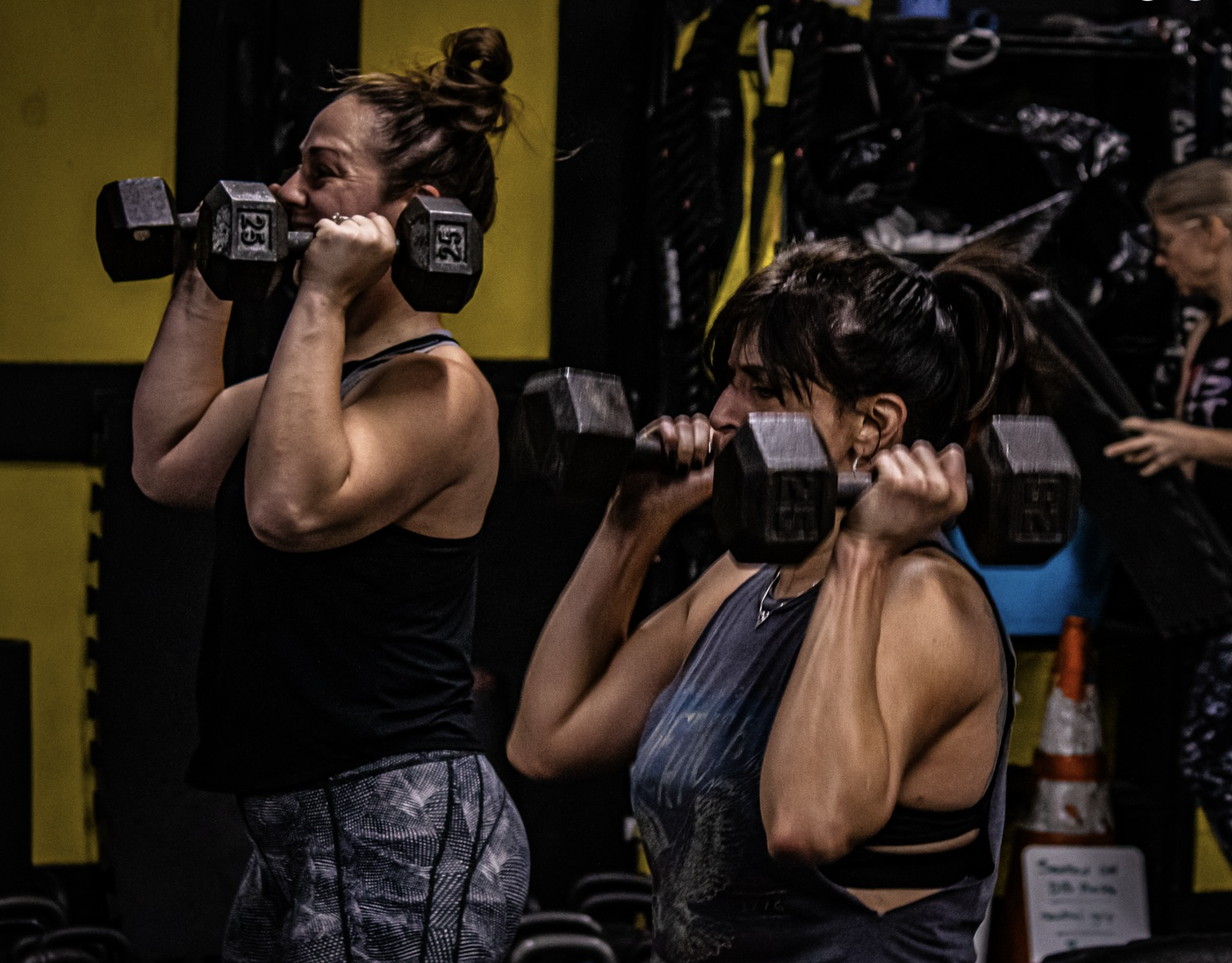
How to Build Your Own HIIT Routine for Philly Locals
High-Intensity Interval Training (HIIT) has gained fame for a simple reason: it blends short bursts of all-out effort with brief recovery periods to maximize results in a fraction of the time. Whether you’re new to HIIT or looking to expand your workout toolkit, building a custom routine can spark newfound motivation. This guide walks you through the core elements of HIIT and shows how Philly’s urban and neighborhood landscapes can become your training grounds.
Simple Foundations of HIIT
HIIT sessions revolve around two core components: hard-hitting work intervals and short recovery breaks. By pushing your limits during these high-intensity bursts, your body enters a metabolic state that continues burning calories even after you’ve finished your workout.
- Work Intervals: Short, all-out efforts that raise your heart rate close to its peak.
- Recovery Intervals: Periods of lighter activity or complete rest, allowing your body and mind to prepare for the next interval.
This accelerated pattern helps beginners build endurance, shed fat, and strengthen muscles more efficiently than traditional steady-state exercise. In a city as dynamic as Philadelphia, you can easily pivot your HIIT routine from an indoor gym to any accessible outdoor spot.
Related read on HIIT basics: Offers an overview of what goes into these high-powered intervals.
Why Philly Locals Love HIIT
Philadelphia is home to vibrant streets, expansive parks, and neighborhoods that stimulate all-around fitness exploration. HIIT offers you flexibility in how, where, and when you train. From jogs up the iconic art museum steps to creative sprints in a quiet side-street, your routine can capture the city’s energy while boosting your personal goals.
- Less Time Commitment: HIIT sessions can be as short as 15 or 20 minutes. This is ideal for busy professionals balancing city commutes and daily responsibilities.
- Engaging Workouts: Whether you’re new to organized fitness or already enjoy neighborhood runs, HIIT’s short, varied intervals keep things interesting.
- Minimal Equipment: A Philly sidewalk or a free corner of your living space can become your workout zone. You only need your body weight—or, if you have it, simple gear such as resistance bands or light dumbbells.
Step One: Choose Your Exercises
Selecting the right exercises is your foundation. Go with movements that work multiple muscle groups simultaneously, streamlining your routine so you get the most out of each interval. Here are a few accessible options to consider:
- Bodyweight Squats: Strengthen quads, hamstrings, and glutes without any special equipment.
- Push-Ups: Engage chest, shoulders, triceps, and core. If standard push-ups are challenging, drop to your knees for a more manageable version.
- High Knees: Raise your knees to hip level or above, tapping into cardio and core strength.
- Mountain Climbers: Assume a plank position and alternate driving your knees toward your chest for a dynamic core workout.
- Stair Sprints: If you frequent the Philly Museum of Art steps, short sprints up and a walk down can easily become a signature interval set.
- Jump Squats: A plyometric variation that challenges both power and endurance.
Consider mixing exercises that work your lower body, upper body, and core. That varied approach creates a full-body training session.
Step Two: Determine Duration and Ratio
A hallmark of HIIT is the work-to-rest ratio. For beginners, you’ll typically see a 1:2 ratio, meaning your rest interval is twice as long as your work interval. Over time, you can move to a 1:1 ratio or even a 2:1 ratio as your fitness improves.
- Choose a Work Interval: 20 seconds of all-out effort is a great starting point.
- Pick a Rest Interval: For new users, aim for 40 seconds of low-intensity movement (like marching in place or slowly walking), or simply rest.
- Decide on Rounds: Start with six or seven rounds, and gradually increase to 8–10 rounds.
If you’re doing stair sprints at a local park, you might sprint up for 20 seconds and walk down for 40 seconds before the next set. This not only pushes your body but also encourages mindful recovery.
Step Three: Plan Your Circuit
A circuit combines various exercises in a defined order. It could look something like this:
- Bodyweight Squats (20 seconds on / 40 seconds off)
- Push-Ups (20 seconds on / 40 seconds off)
- High Knees (20 seconds on / 40 seconds off)
- Planks or Mountain Climbers (20 seconds on / 40 seconds off)
After one round of this four-exercise circuit, take a short break—around one minute—and repeat the circuit up to two or three more times for an efficient, well-rounded session.
This arrangement lets you integrate workouts that utilize different muscle groups, preventing any one area of your body from fatiguing too quickly. A strong mix of cardio and strength moves also helps new exercisers develop better overall endurance.
Step Four: Consider Philadelphia’s Urban Landscape
One bonus of being in Philly is the city’s built-in variety:
- City Steps and Stairwells: From the historic steps of the Philadelphia Museum of Art to staircases scattered across Philly’s neighborhoods, you can integrate short climbs for a powerful leg workout.
- River Trails: The Schuylkill River Trail offers scenic views that keep your mind fresh. A sprint interval along the water can feel revitalizing, especially on sunny days.
- Neighborhood Parks: Many Philly parks feature flat and open spaces for quick bodyweight circuits. They’re ideal for adding push-ups, planks, and squat jumps to a run-walk HIIT set.
Blending these outdoor backdrops into your routine also capitalizes on fresh air and natural scenery, turning each workout into a motivating experience.
Philadelphia Parks & Recreation Info: Discover your nearest park or trail for a change of scenery.
Step Five: Warm-Ups and Cool-Downs
Short yet purposeful warm-ups can do wonders for preventing injuries and improving performance. Before every HIIT session, spend three to five minutes on dynamic stretches and lighter versions of your planned moves. For instance, start with gentle squats, walk in place, or swing your arms to loosen up joints and raise your core temperature.
Similarly, take a few minutes to cool down with static stretches. Stretching your quads, hamstrings, and calves helps flush out the lactic acid built up during your high-intensity intervals. As you deepen your stretches, focus on slow, controlled breathing to re-center and calm your mind.
Step Six: Track Progress and Adapt
One of the great joys of building your own HIIT routine is that you control the pace of progression. Keep a small notebook or use a notes app to log your workout details:
- Days Exercised: Which days of the week you trained.
- Exercises & Sets: Specific moves, how many sets completed.
- Work/Rest Intervals: The ratio you used.
- Perceived Difficulty: Rate your effort on a simple 1–10 scale.
This information helps you adjust your plan as you build strength and stamina. If a particular workout starts to feel too easy, slightly increase your work interval or reduce recovery time. On the other hand, if you’re balancing a busy schedule or recovering from intense training, lighten the load to maintain consistency rather than overtaxing your body.
Step Seven: Pair HIIT With Smart Nutrition
Your body needs quality fuel to handle rapid exertion. While there’s no one-size-fits-all diet, focusing on nutrient-dense choices helps you recover and gain lean muscle mass. Build meals around plenty of lean proteins, fruits, veggies, whole grains, and healthy fats.
- Stay Hydrated: Quick bursts of energy can cause you to sweat more, so keep water on hand during and after your workout.
- Time Your Meals: A balanced snack or light meal an hour before your HIIT session can help stabilize your blood sugar.
- Refuel Afterward: Within an hour of finishing, reach for a mix of protein and carbohydrates—perhaps a turkey sandwich, a simple protein shake, or a Greek yogurt parfait.
Tips for Staying Motivated
Finding the discipline to stick with HIIT can be easier than you think, especially if you craft a plan that fits your rhythms and preferences. Here are a few tips to maintain momentum:
- Listen to Great Music: A strong playlist can boost your energy level and help you maintain focus.
- Buddy Up: Work out with a friend or family member—friendly competition often pushes you harder.
- Explore Philly’s Varied Scenes: A new park, a fresh route by the waterfront, or a lesser-known set of city steps can invigorate your routine.
- Celebrate Small Progress: Did you add 10 more seconds of sprinting? Congratulate yourself! These small wins all add up to major transformations.
Integrating HIIT Into Your Training
Some Philly locals like to pair HIIT with other fitness endeavors, such as group classes, martial arts, or strength sessions at local gyms. Incorporating one or two HIIT workouts each week is an efficient way to maintain cardiovascular health and break plateaus. Be mindful, though—HIIT is intense, so you’ll want to space out your sessions, especially if you’re already participating in rigorous classes or weightlifting.
For those who train at facilities like The PIT or other specialized gyms around Philly, HIIT can serve as a powerful supplement. If one day is dedicated to skill-building or heavy lifting, a short HIIT workout on a different day can sharpen your speed, agility, and endurance without interfering too much with recovery.
Looking Ahead and Evolving Your Routine
HIIT meets you wherever your fitness level stands. The beauty is that you can adapt it as your goals and abilities evolve. Once you’re comfortable with sprints and bodyweight moves, consider introducing kettlebell swings, burpee variations, or advanced plyometrics. You might also experiment with different work-to-rest ratios to find a sweet spot that pushes you but remains sustainable over time.
This lifecycle approach to HIIT aligns with a broader vision of cultivating adaptable, dynamic fitness. By continuously refining your workout design, you aren’t merely following a static program—you’re nurturing an evolving approach to health and performance that resonates with Philadelphia’s eclectic and vibrant spirit.
Lasting Benefits
Putting together your own HIIT regime empowers you to take control of your fitness journey in a deeply personalized way. Beyond burning calories and building stamina, you’re honing self-discipline, discovering local spots, and experiencing pockets of the city you might have overlooked. That sense of ownership transforms your workouts into an ongoing adventure, fueling curiosity and a greater connection to Philly’s pulse.
Look around your neighborhood, pick your intervals, and let your HIITraining highlight the city’s energy one powerful burst at a time. As you continue exploring these intervals and locations, you’ll find that your fitness journey grows into a celebration of possibility, fueled by the vibrant backdrop that only Philadelphia can offer.