
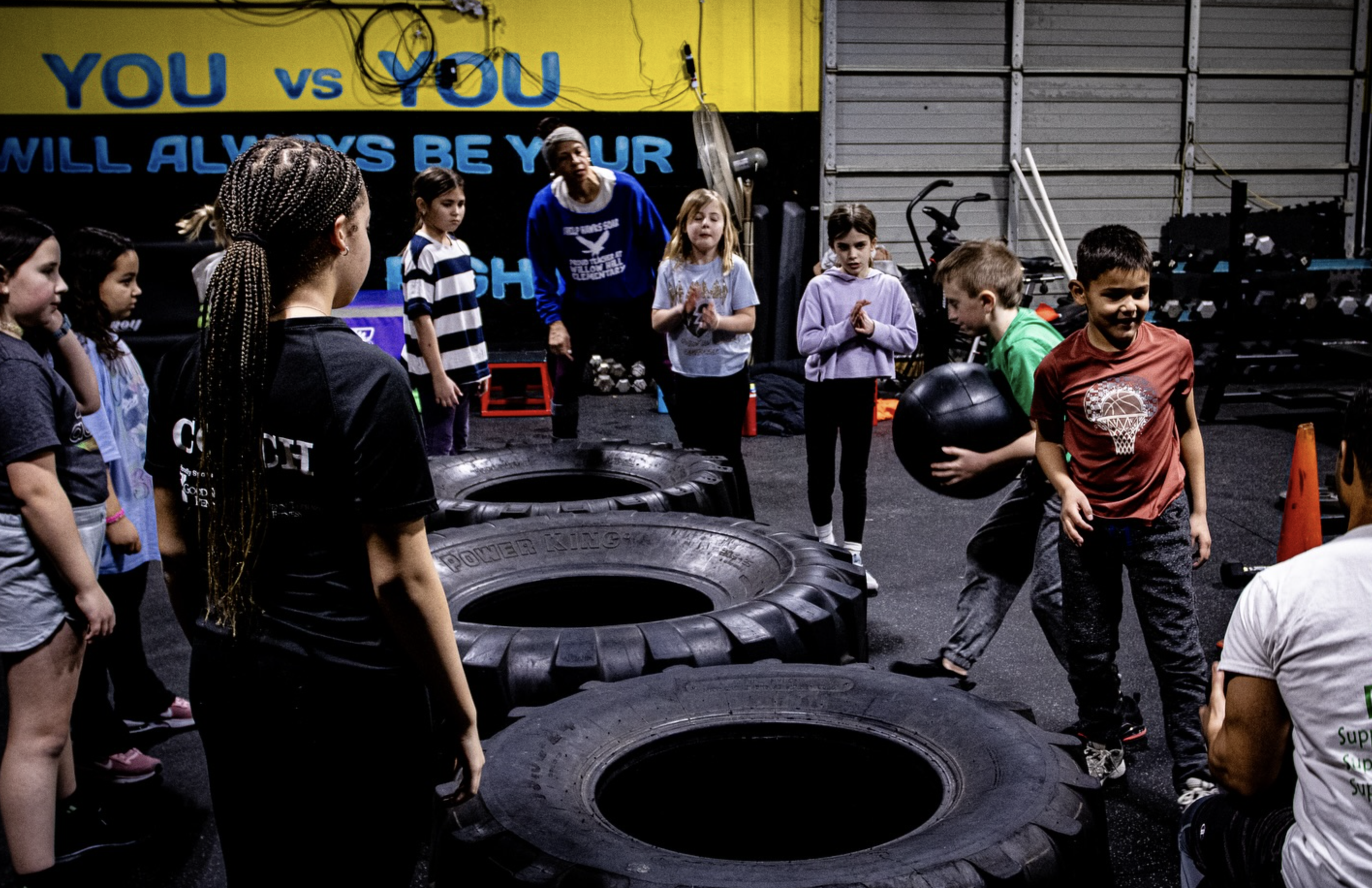
Summer workouts often bring a sense of freedom and energy, but the intense heat can also present unique challenges. Whether you enjoy early morning runs, midday weight sessions, or late-night high-intensity training, balancing heat management and exercise intensity is crucial. Trainers at PIT Ambler and Conshohocken know firsthand how sweltering temperatures demand respect, careful planning, and plenty of rest.
Below, you will find a guiding framework that blends expert tips with practical solutions for maintaining an effective and enjoyable summer routine. While the sun’s warmth can boost your motivation to move, practicing safety is all about consistent awareness and real-time adaptation. Caring for your body allows you to grow stronger while embracing the season’s vibrant energy.
Embracing the Heat Mindfully
Stepping outside into the summer heat and humidity can feel like entering another world. Conditions shift rapidly, and your body’s ability to regulate temperature meets newfound stress. Yet, you can thrive under the sun with the right awareness and a harmonious approach.
Think of your body’s temperature regulation like a natural cooling system. Sweating is your body’s way of releasing heat, similar to how an air conditioning unit circulates air to maintain balance. The more efficiently you sweat and replenish fluids, the more comfortable and protected you remain. Over time, your body adjusts, like a climber gradually acclimating to high altitudes, yet rushing the process will only set you back.
PIT Ambler and Conshohocken trainers agree that listening to your body’s cues is your primary defense against overheating. Embrace this concept of mindful adaptation rather than ignoring signals of excessive fatigue, dizziness, or thirst. It’s a practice of tuning in, trusting your internal feedback, and modifying your workout intensity.
Hydration as a Foundation
Hydration is the cornerstone of summer workouts. It supports every physiological process that translates fatigue into endurance. When you lack fluids, your body cannot regulate heat optimally. Like a plant drying out in the midday sun, your performance and overall well-being can wiltingly decline.
- Start your day hydrated: Aim for one to two glasses of water upon waking. This morning habit helps kickstart your metabolism and sets the stage for consistent hydration.
- Drink throughout the day: Keep a water bottle handy. Sipping regularly is more beneficial than waiting until you feel thirsty. Thirst often indicates that your body is already behind on fluid intake.
- Address electrolyte balance: During hot months, you lose salts and minerals through sweat. Adding a pinch of sea salt to your water or using electrolyte-enhanced beverages supports neurological and muscular functions. Electrolyte balance bolsters focus and stamina throughout a workout. Check out this resource on natural electrolyte solutions for more ideas.
- Listen to your needs: Notice how often you need to use the restroom, the color of your urine, and any signs of dizziness or dryness. These are subtle signals that can guide your fluid intake.
Set a pattern around your workout blocks, hydrating before, during, and after, keeping fluids flowing to match your body’s demands.
Aligning Nutrition to Support Movement
Summer months often shift your appetite. Warmer weather can dampen hunger sensations, so it’s easier to overlook essential nutrients. A balanced diet is a partner to hydration, empowering you to optimize shifts in your routine.
Think of your meals as steady sources of fuel that carry you through each workout. If the heat reduces your desire for heavier meals, versatile foods can provide a lighter, refreshing approach:
- Seasonal fruits and vegetables: Fresh watermelon, cucumber, leafy greens, and berries offer a blend of natural hydration, vitamins, and antioxidants. These choices help you maintain energy and keep you feeling cooler.
- Lean protein sources: Grilled chicken, fish, or plant-based proteins like beans and lentils supply essential amino acids for muscle repair. Pair them with water-rich vegetables to keep each meal light yet nourishing.
- Small, frequent snacks: Consider five or six smaller, balanced snacks instead of three large meals. This approach prevents energy crashes and reduces overheating during digestion.
- Smoothies and shakes: Blended snacks or meals can be easier to digest in high temperatures. Adding spinach, protein powder, or yogurt ensures you’re staying balanced while enjoying a cooling treat. Explore this smoothie guide for more inspiration.
Above all, respect your body’s shifting hunger signals. Align your nutrition approach with your workout intensity and the climate. This synergy nurtures organic growth and helps you adapt consistently in real-time.
Choosing the Right Workout Times
During the summer, timing becomes strategic. Exercising in the midday sun magnifies heat stress, potentially leading to heat exhaustion or dehydration. Instead, consider weaving your workouts into the day’s cooler portions.
- Early mornings: Dawn often brings cooler and slightly less humid conditions. Your body is refreshed from sleep, and you can train with fewer distractions.
- Evenings: If you’re not a morning person, late-day sessions may provide relief from peak temperature and intense glare. You can also use the day to hydrate effectively and plan your meals.
- Modifying midday sessions: If an afternoon workout is the only option, stay in shaded or air-conditioned environments. An indoor gym or a partially shaded outdoor space is better than a scorching field or track.
Pay attention to the times that align well with your personal rhythm. By optimizing your schedule, you reduce heat stress and increase the quality of each session.
Harnessing the Power of Acclimatization
Acclimatizing to the heat is an ongoing, organic process. Each workout readies your body to handle more heat with less strain. Like a tree that slowly develops deeper roots, consistent exposure to higher temperatures, done mindfully, helps you manage challenges.
When starting a new routine or increasing intensity:
- Limit your first few sessions: Shorter durations at a moderate pace allow your body to adapt without overwhelming your internal cooling system.
- Gradually increase intensity: Add increments to your time or intensity as you adjust. Keep track of your heart rate and how quickly you recover.
- Monitor your body’s response: Use perceived exertion scales or a heart rate monitor to detect signs of stress. If your heart rate stays elevated for too long after each interval, that’s a cue to ease off.
Acclimatization is not about jumping abruptly from the couch to scorching trails. It’s a fluid transition that respects how the human body learns new thermal environments. Overlooking this phase can lead to setbacks or injuries.
Practical Gear and Clothing Choices
The clothes you wear can support your cooling process and reduce distractions. Lightweight, breathable materials are ideal for wicking away sweat and encouraging airflow.
- Light-colored fabrics: Dark colors absorb heat more quickly, so opting for lighter shades like white, cream, or pastels can help keep you cooler.
- Breathable, loose fits: Tight, restrictive clothing can trap heat and reduce airflow. Shirts or shorts that permit movement feel more comfortable under intense sun.
- Proper footwear: Well-ventilated shoes reduce overheating around the feet. Good support and cushioning can prevent blisters, especially in hot, humid conditions.
- UV protection: A breathable cap or visor shields your face from direct rays, while sunglasses guard your eyes. Coupled with sweat-resistant sunscreen, these accessories limit both heat absorption and potential health risks.
Some might find it tempting to go shirtless or wear minimal clothing, but ensuring sufficient skin protection from the sun is vital. Sunburned skin cannot sweat efficiently, making it harder to keep cool.
Structuring Workouts for the Heat
Trainers at PIT Ambler and Conshohocken emphasize the value of intelligent workout planning, which balances one’s desire for progress with the need for protection. Overworking in the heat can rapidly lead to burnout or dehydration.
Interval Training with Built-In Recovery
Interval training is a perfect example of an adaptable routine. Instead of sustaining high intensity for a full hour, try short bursts of higher effort paired with restful breaks. For example:
- 20 seconds of moderate-to-high intensity effort.
- 10 seconds of rest or gentle movement.
- Repeat for a set number of rounds (such as eight to 10).
Short, powerful spurts help you push your limits while giving your body time to regulate internal temperature and replenish oxygen during recovery periods. The adrenaline rush can be motivating, while controlled recovery ensures a steady balance.
Adaptive Strength Sessions
Strength training doesn’t have to grind to a halt during hot spells. You can maintain focus by dividing your session into smaller segments while preventing overheating. Rather than completing lengthy circuits in one go, consider splitting your workouts:
- Perform one or two exercises, then rest with fluid intake.
- Take a few minutes to reset, hydrate, and gauge your readiness.
- Resume your next set once you feel your breathing has stabilized.
This approach merges seamlessly with a fluid summer schedule. It echoes the principle of taking small, organic steps, allowing your muscles to recover while managing heat.
Outdoor Cardio Best Practices
If you love running, cycling, or hiking, stay mindful of summer’s intensity. Begin your cardio sessions at a lower intensity than you would during cooler seasons. Choose routes that incorporate shade or breezes, and carry extra water. Consider these guidelines for hot weather running to maintain safety.
Let your pace match your body’s cues and remember to adapt quickly if you notice unusual fatigue or dizziness. An underlying principle here is fluid decision-making, prioritizing your body’s immediate needs over rigid schedules.
Real-World Scenarios for Summer Training
Imagine preparing for a 5K run scheduled for the middle of August. Intense rays and sizzling sidewalks threaten to derail your training. By leveraging a flexible routine, you can thrive:
- Adjust your running route to a tree-lined trail, beginning your session at sunrise.
- Before heading out, you hydrate with water and a small snack, perhaps a banana or whole-grain toast.
- You incorporate 30-second walk breaks into each 5-minute running interval. This structure helps you maintain energy and focus.
- Post-run, you cool down in the shade, sipping an electrolyte drink and doing light stretches to regulate heart rate and muscle tissue.
Another example: A midday CrossFit session at PIT Ambler. Instead of leaping into full strength circuits, you start with lighter, targeted exercises. You pause often to cool down with a damp towel around your neck, an easy trick that quickly lowers perceived heat. After your final set, you replenish with protein and fruit, fueling muscle recovery while also satisfying the body’s need for refueling under high temperatures.
Removal of Rigid Day-by-Day Plans
Rigid plans sometimes add unnecessary pressure. In summer, a strict workout schedule can clash with shifting weather patterns, unexpected heatwaves, or shifts in your energy. A flexible approach removes guilt while sustaining momentum.
- Maintain general weekly goals: For example, you might want to do three cardio sessions, two strength workouts, and one yoga practice over five or six days.
- Swap intensity levels: If one day is especially hot, consider a home-based yoga routine or low-intensity activities like walking or gentle stretching. Save the high-intensity workout for a cooler day.
- Celebrate incremental successes: Recognize moments of resilience, like finishing a run before the day hits its highest temperature or maintaining consistent hydration. Each small step builds a foundation of sustainable progress.
This intuitive approach can lead to consistent gains, free from the potential burnout of forcing a plan that doesn’t align with your environment.
Teamwork and Accountability
Connecting with a fitness community amplifies motivation. PIT Ambler and Conshohocken host group classes that foster camaraderie through support and accountability. Joining forces with others who experience similar challenges propels you forward.
When training in heat, developing synergy with like-minded individuals can be empowering. People remind each other to hydrate, watch for signs of exhaustion, and share cooling-off strategies. Working out in a group also provides emotional support, reminding you that progress often arises from steady collaboration.
If you prefer training solo, consider an accountability partner, a friend or online community, where you can share progress updates. Mutual encouragement can infuse your journey with positive reinforcement.
Listening to Internal Signals
As the sun beams down, your internal signals become more pronounced. Dizziness, headaches, or unwarranted fatigue demand immediate attention. If these appear, stop your activity and find a cool place to rest. These signs are not inconveniences but physiological flags that your system needs extra care.
Signs of heat exhaustion:
- Persistent dizziness or lightheadedness
- Excessive sweating or a sudden halt in sweating
- Nausea or muscle cramps
- Rapid, weak pulse
If you notice these, remove yourself from the heat, drink water, and rest in a shaded or air-conditioned area. Catching and resolving these concerns early can prevent heatstroke or severe dehydration. Listening to your body’s internal feedback fosters harmonious integration between ambition and self-care.
Gradual Cooldowns and Recovery
The end of your workout is a time of reflection and relief. A gradual cooldown helps ease your heart rate to normal levels and encourages blood circulation to stabilize. Walking for a few minutes or performing slower-paced movements lowers the chance of sudden fatigue or dizziness.
Afterwards, direct your focus toward recovery:
- Stretch major muscle groups to reduce tension.
- Continue to sip water or an electrolyte blend.
- Cool your core temperature with a tepid shower or a damp cloth.
Sleep is another essential aspect of total recovery. Warm nights may disrupt rest, but look for ways to cool your environment, such as using a fan or sleeping in lighter clothing. Quality rest helps the body restore, adapt, and prepare for the next day’s challenges.
Continuous Adaptation and Growth
Humans are remarkably adaptive. As you navigate summer’s warmth, your capacity to engage in varied workouts grows stronger. Every small hurdle is a cue that reveals new levels of resilience. This momentum forges a sustained evolution in how you approach fitness.
By blending knowledge from PIT Ambler and Conshohocken trainers with your intuitive sense of well-being, you cultivate a practice of balanced progress. Each sweat session is an invitation to break free from static conventions and let your body’s internal wisdom lead you. The flow and fluidity of this approach harmonize with the natural rhythms of summer.
Path Forward with Confidence
Summer workouts can be a source of joy and self-discovery if approached with mindfulness and care. By protecting yourself with hydration, calibrating nutrition, and honoring the right workout times, you transform each session into an empowering experience. Real-time adaptation and flexible thinking enable you to maintain consistency without jeopardizing your health.
Your commitment to thriving under the sun is an investment that nurtures both strength and safe exploration of your limits. Embracing occasional rest, adjusting your schedule, and seeking support from trusted sources all combine in a way that honors your body’s needs. As you absorb these practical lessons from PIT Ambler and Conshohocken trainers, you open the door to a season of healthy challenges, personal growth, and vibrant steps forward.
Staying cool and staying safe isn’t just a slogan; it’s a mindset that allows you to enjoy the warmth of the summer while still expanding your fitness horizon. Every time you step outside, water bottle in hand, mind at ease, you affirm a lasting commitment to well-being. Let this summer be a reminder of your capacity to adapt, excel, and flourish under the sun’s brilliant rays.