
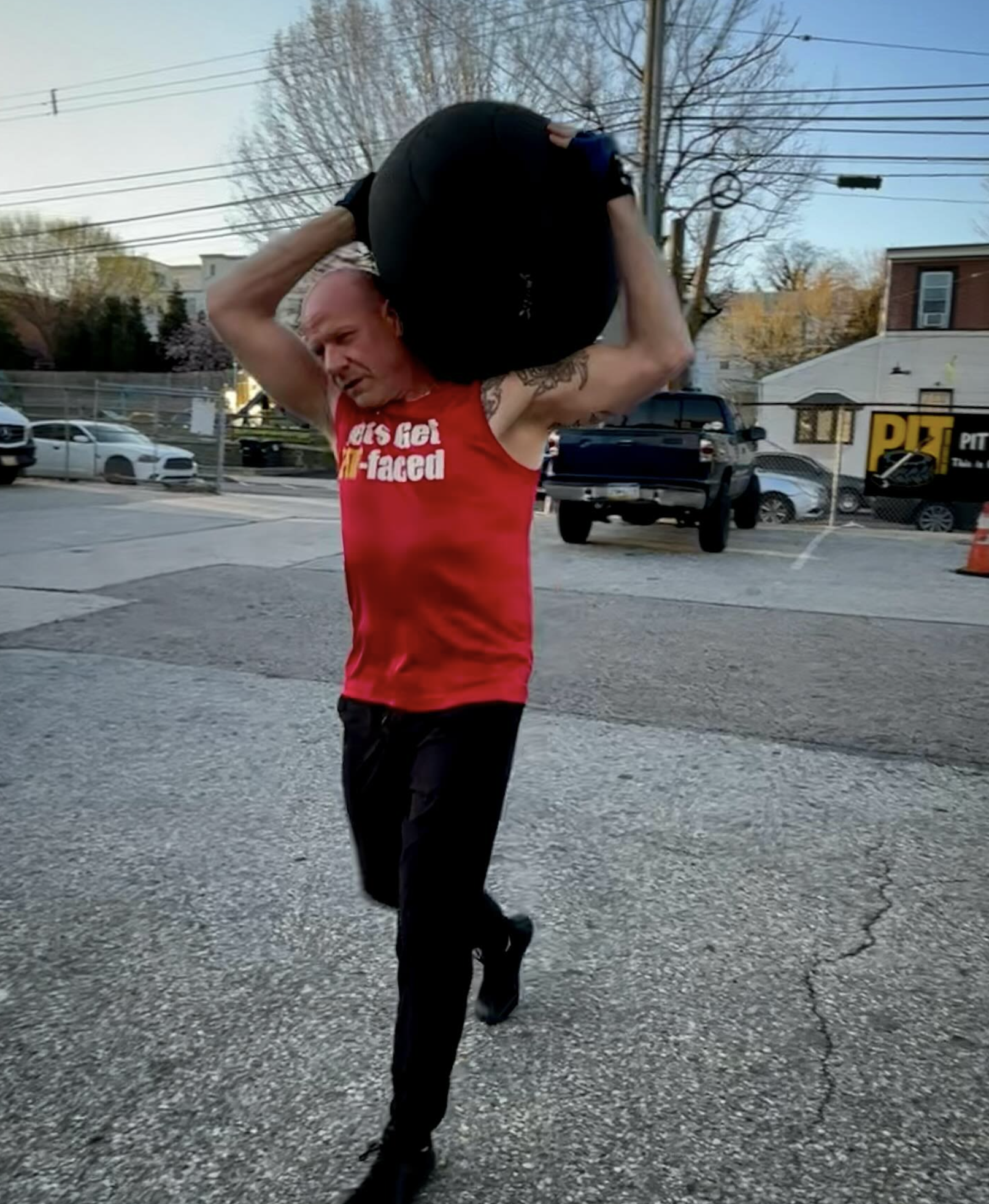
Thriving in Conshohocken with Functional Training
Summer in Conshohocken offers vibrant outdoor adventures that fuse exercise, fresh air, and natural beauty. From biking along scenic paths to exploring lush hiking trails or paddling across sparkling waterways, these activities invigorate mind and body. Yet to truly enjoy these pursuits, it helps to move through life with strength, stability, and effortless control.
Functional training bridges that gap by preparing your body for the demands of real-world sports and day-to-day tasks. Rather than isolating muscles on single planes, functional workouts help develop movement patterns that translate directly into your favorite summer hobbies. By integrating dynamic exercises, you learn to match your body’s biomechanics to the unpredictability of the outdoors.
Below, we’ll explore how functional training at PIT Conshohocken elevates your core strength, alignment, and overall stamina. You’ll discover ways these dynamic routines support activities like biking, hiking, and kayaking in ways standard gym exercises often overlook. Whether you’re pedaling briskly on waterfront paths, conquering forested inclines, or steering a kayak with ease, functional training helps you savor every minute of summer.
Why Functional Training Matters
Functional training emphasizes full-body coordination, range of motion, and balance. It mimics everyday movements such as squatting, lunging, bending, and reaching, yet done with precise, intentional form. By mobilizing multiple muscle groups at once, it conditions us for smoother transitions and improved resilience in the face of unexpected twists or turns.
- It targets mobility across multiple planes of motion.
- It enhances balance through core stabilization.
- It lays a foundation of practical strength, ready for any challenge.
Traditional weight machines often lock you into singular motions that don’t mirror real-life demands. In contrast, functional training with free weights, resistance bands, and integrated bodyweight exercises encourages synergy among muscles. Each movement flows into the next with minimal strain or wasted energy.
Strength for Biking
Cycling through Conshohocken’s popular trails is a thrilling rite of summer. You’ll see winding sections along the Schuylkill River Trail that inspire morning rides, social meetups, and even scenic commuting to nearby stops. While biking appears as a lower-body sport, your entire body participates in the cyclical motion, and that’s where functional training excels.
Pedaling Efficiency
A consistent pedal stroke involves coordinated leg engagement, proper core posture, and smooth transitions at the top and bottom of every revolution. Functional training drills like step-ups, single-leg bridges, and weighted lunges help sharpen these mechanics. They build balanced strength between the quads, hamstrings, and glutes, lowering the risk of knee strain and related injuries.
Core Engagement
Holding steady posture during a long ride calls upon your abdominals, lower back, and hips. Something as simple as single-arm overhead presses on a stability ball teaches you how to brace the midsection and maintain alignment. As a result, your trunk remains stable, preventing fatigue and supporting fluid pedaling power. When you hit a hill, that extra stabilization can keep your energy focused on each push without slouching or shifting.
Avoiding Overuse
Cyclists often overwork certain muscle groups (like quadriceps) if they lack balanced strength elsewhere. Functional training counters that imbalance by encouraging full-body integration. With exercises that recruit less dominant muscles, you avoid plateaus and protect your joints. It also means you’ll recover faster, paving the way for back-to-back weekend rides or extended multi-day treks.
Agility for Hiking
Conshohocken’s network of nearby parks and nature preserves creates the perfect backdrop for hiking enthusiasts. Whether you’re trekking rolling hills or navigating uneven ground, you need agility, endurance, and surefootedness to enjoy each scenic viewpoint. Functional training refines these attributes so your legs and core remain stable despite rocky surfaces or steep inclines.
Stabilizing on Varying Terrain
Hiking rarely presents a perfectly level path. One moment you’re striding on a slight incline, the next you’re zigzagging over roots or crossing streams. Functional exercises like lateral lunges, single-leg squats, and rotational cable pulls build lateral stability. They challenge your body to move with confidence in multi-directional planes, much like a trail that twists and turns without warning.
Sustaining Endurance
When you’re heading uphill, fatigue can set in fast. Strengthening your glutes and hamstrings using dynamic movements, such as kettlebell swings or walking lunges, helps preserve power. As you push upward, your lower body is better prepared to endure steep grades. This translates to extended hikes without succumbing to that burning sensation that often slows you down.
Balance in Motion
Functional training’s emphasis on core stability also reduces the chance of stumbles or missteps. Drills like single-leg deadlifts build coordination, which is invaluable when you need to hop across rocks or tip-toe over tricky segments. By attuning your mind and muscles to engage in concert, you’ll be more present on the trail, able to focus on nature’s beauty rather than worrying about a turned ankle.
Power for Kayaking
Kayaking on the Schuylkill River or other nearby waterways offers a refreshing change of pace. With serene morning paddles, afternoon group outings, or spirited weekend adventures, you’ll find your upper body put to the test from the first stroke. Functional training offers a key advantage here, balancing arm and shoulder strength with crucial trunk rotation.
Core Rotation
Proper paddling technique requires more than brute arm force. Each stroke begins with core engagement and torso rotation, channeling power from your hips through your arms. Functional movements like medicine ball twists and cable woodchops replicate that rotational force. They prime your torso to twist smoothly, enabling a fluid stroke that reduces stress on your shoulders and elbows.
Shoulder Stability
Kayakers often overexert the shoulder joint, raising the risk of strains or impingements. Functional workouts with resistance bands emphasize scapular retraction, strengthening the muscles around the shoulder blades. By stabilizing those smaller support muscles, you’ll reduce tension on your rotator cuff. This helps you paddle longer without irritating the joint.
Resistance to Fatigue
Similar to biking, a continuous paddling rhythm can fatigue the smaller muscles in your arms and upper back if they’re not integrated with larger support systems. Functional training enlists your entire upper body, ensuring that each muscle contributes effectively. Rows, pull-ups, and plank variations teach your lats, arms, and core to coordinate so you can handle unexpected currents with confidence.
Key Components of Functional Training
The hallmark of functional training isn’t any single exercise, it’s an approach rooted in compound movements and mindful adaptation. At PIT Conshohocken, you can expect workouts that target:
- Multiple planes of motion: Rotations, lateral steps, push-and-pull variations.
- Core integration: Exercises that engage abdominals, back, and hips simultaneously.
- Sensory feedback: Balance and proprioception drills to keep you attuned to your body’s movements.
- Progressive overload: Gradual increases in weight, complexity, or stability challenge your body steadily without overwhelming it.
By blending free weights like kettlebells or dumbbells with bodyweight moves, mobility flows, and dynamic drills, functional training becomes an energizing experience. Each session helps your body address weaknesses, prevent injury, and amplify performance in your chosen sport.
The PIT Conshohocken Difference
Conshohocken’s active community thrives on collaboration, shared goals, and encouragement. PIT Conshohocken is designed around these principles, combining expert guidance with an environment that fosters growth. Joining a class or working with a coach connects you to real-world insights on form, technique, and safe progression.
- Personalized coaching: Trainers understand your baseline fitness and tailor workouts to your needs.
- Supportive environment: Encouragement from peers fuel your consistency.
- Holistic approach: Nutrition, recovery, and mental readiness are integral to success.
- Innovation: Workouts rotate through new drills, keeping sessions stimulating and adaptive.
By focusing on proper technique and consistent progression, PIT Conshohocken helps you see tangible advancements in your day-to-day energy, stability, and athletic pursuits. (Check out resources like ACE Fitness for more background on functional exercise fundamentals.)
Practical Examples at PIT Conshohocken
Rotational Medicine Ball Throws
- Stand sideways a few feet from a sturdy wall.
- Hold a light medicine ball at waist level, rotating your torso away from the wall.
- Swiftly rotate toward the wall, releasing the ball in a controlled throw.
- Catch and repeat 8–10 times per side.
This exercise refines the rotational core mechanics needed for kayaking and dynamic twists in hiking. It boosts your reflexes and trunk power in a safe, controlled environment.
Stability Ball Push-Ups
- Position your hands on a moderately inflated stability ball.
- Keep your shoulders aligned with your wrists, forming a straight line from head to heels.
- Lower your chest toward the ball, then press back up using a steady motion.
- Perform 10–12 repetitions, focusing on core control.
The instability engages your shoulders, wrists, and core, reinforcing posture essential for everything from paddling to bike handling. It also trains your body to stay braced against sudden shifts.
Single-Leg Step-Downs
- Stand on a sturdy box or step, one foot in the air.
- Slowly lower the free foot to the floor, keeping your torso upright.
- Tap the ground lightly, then stand back up on the elevated leg.
- Complete 8–10 repetitions each side, emphasizing smooth control.
This move helps train balance and knee stability, vital for navigating uneven trails or switching gears on a bike. It also strengthens the glutes and hips for a more coordinated stride.
Real-World Insight from Conshohocken Trails
Imagine a brisk morning bike ride along the Schuylkill River Trail. The path is dotted with runners, dog walkers, and a few other cyclists. Suddenly, a fallen branch forces you to swerve. Thanks to functional training, you respond instinctively, shifting your weight, gripping the handlebars, and guiding the bike around the obstacle without losing balance. Your core remains taut, your shoulders relaxed, and your mind calm. Instead of a jarring near-miss, it becomes another successful curve in the road.
Later, you join friends for a hike at a local park. Rougher sections of the path reveal roots and pebbles you’d once dreaded. Now your ankles feel stable, your footwork natural, and your pace consistent. A short burst uphill doesn’t overwhelm you. Breath and movement sync smoothly, letting you keep up with friends while enjoying the ridgeline views.
When it’s time to kayak, you settle into the seat, knowing your arms, torso, and back have trained for this. Each stroke drives you forward with a satisfying surge. You glide across the water, rotating your torso with confidence, and your shoulders feel steady. Functional training turned kayaking into an exploration rather than an exhausting chore.
Aligning Body and Mind
Functional training transcends the notion of mere physical exercise. It trains your mind to engage with each movement purposefully. As you practice lifts, lunges, and twists, you become more aware of how your muscles and joints collaborate. This heightened body awareness translates into mindful movement in your daily life, from climbing stairs without strain to lifting groceries with proper posture.
When you step outside for an afternoon of biking or hiking, you carry that sense of presence with you. Each stride or pedal stroke becomes an active choice to align, engage, and enjoy. Over time, this synergy between mind and body supports overall wellness. You lower your risk of injuries, reduce stress, and maintain the energy essential for making the most of summer.
Avoiding Common Pitfalls
Even the most motivated individual can encounter issues if they rush into advanced drills without a foundation. Consider these tips:
- Build gradually: Functional training builds from fundamental movements like squats, hinges, and planks. Trying advanced maneuvers too soon can lead to overcompensation or strain.
- Mind your form: Each joint should move in harmony. If a certain range of motion hurts, modify or consult a trainer to identify and correct imbalances.
- Rest and recover: Recovery is where growth happens. Mix in active rest days or light cardio between intense sessions.
- Diversify your approach: The body adapts quickly, varying drills, tempos, and equipment ensures ongoing progress.
PIT Conshohocken’s coaches closely monitor these factors, helping you sidestep setbacks. Their expertise ensures you fine-tune your progress while still challenging your limits.
Lifelong Benefits Beyond Summer
Though summer in Conshohocken offers plenty of sunshine and outdoor fun, functional training is beneficial year-round. Long after cycling and kayaking season wraps up, you’ll retain improved muscle synergy, better posture, and a greater sense of physical confidence. Those qualities are just as valuable when raking leaves, shoveling snow, or playing a recreational sport in the off-season.
Functional training weaves strength and flexibility into your everyday routines, making tasks feel lighter, fewer aches plague your body, and your energy levels remain consistently high. If new hobbies catch your interest, maybe winter trail running or indoor rock climbing, you’ll have a strong foundation to adapt swiftly.
Stepping into Summer Energized
When you harness the power of functional training, every summer pursuit becomes more fulfilling. Biking long distances feels smoother as your joints remain aligned, hiking up steep trails is less daunting thanks to balanced leg strength, and kayaking strokes become part of a graceful rhythmic dance.
PIT Conshohocken offers an environment that celebrates these qualities and cultivates them in a progressive, sustainable way. Their guided sessions highlight the value of practicing compound movements that mimic everyday life. You’ll sense your body becoming more responsive, your stamina rising, and your confidence glowing when it’s time for adventure.
Explore year-round classes, personal coaching, or group workouts that align with your goals. By integrating functional training into your routine, you’ll discover new ways to enjoy Conshohocken’s rivers, trails, and panoramic views. Most importantly, you’ll carry forward a habit of aligning thought with action, where every movement is intentional, powerful, and joyfully in sync with the world around you.
(For further reading on the benefits of functional fitness, see Mayo Clinic’s overview.)
Celebrate this summer season by fully embracing your body’s capabilities. With each ride, hike, and paddle, you’ll feel the flow of purposeful movement, an energy that extends well past the warm months, quietly transforming your everyday life, one balanced step at a time.